
Bernard Arnault Net Worth 2026: How the LVMH Chairman Built One of the World’s Largest Fortunes
Introduction
When discussing the wealthiest business leaders in the world, Bernard Arnault is always among the first names mentioned. As the chairman and CEO of LVMH Moët Hennessy Louis Vuitton, Arnault has transformed a collection of luxury brands into the world’s largest luxury goods empire. His remarkable business vision, strategic acquisitions, and long-term investment philosophy have helped him accumulate extraordinary wealth over several decades.
In 2026, Bernard Arnault remains one of the richest individuals globally. Although his net worth fluctuates daily because of changes in the stock market, especially the value of LVMH shares, he continues to rank among the world’s wealthiest billionaires. His fortune reflects not only the success of LVMH but also his investments, real estate holdings, and ownership stakes in several luxury businesses.
This article explores Bernard Arnault’s estimated net worth in 2026, the story behind his financial success, his career achievements, investment strategy, luxury empire, family, philanthropy, and what the future may hold for one of history’s most influential entrepreneurs.
Bernard Arnault Net Worth in 2026
As of 2026, Bernard Arnault’s estimated net worth is approximately $180–$220 billion. The exact figure changes regularly because the majority of his wealth comes from shares in LVMH, a publicly traded company whose stock price fluctuates every trading day.
Several factors influence his wealth, including:
- Performance of LVMH stock
- Global demand for luxury products
- International economic conditions
- Currency exchange rates
- Investment portfolio performance
- Ownership in luxury fashion brands
Unlike many billionaires whose wealth comes from technology companies, Bernard Arnault built his fortune in the luxury goods industry. His business empire includes fashion houses, jewelry brands, cosmetics companies, wines and spirits, hotels, and selective retail operations.
Even during periods of economic uncertainty, luxury consumers continue to spend on premium products, allowing LVMH to maintain strong financial performance over the long term.
Who Is Bernard Arnault?
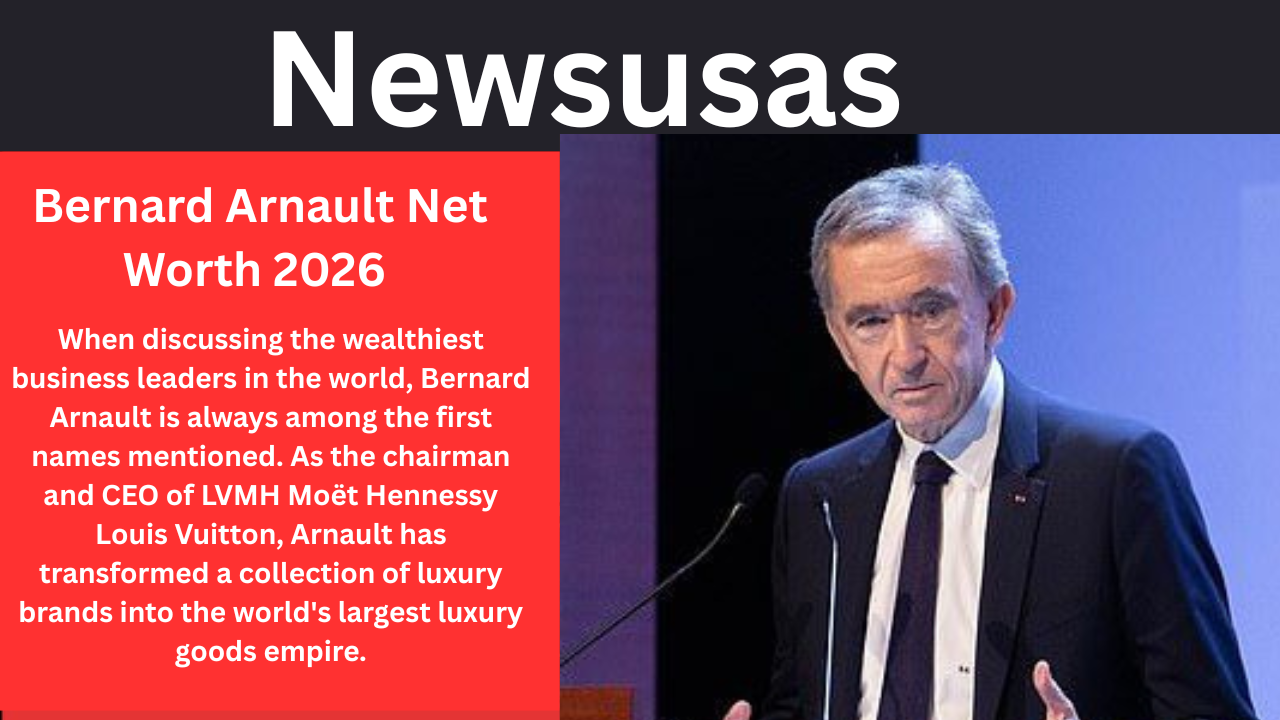
Bernard Arnault is a French businessman, investor, and billionaire best known as the Chairman and Chief Executive Officer of LVMH.
Born on March 5, 1949, in Roubaix, France, Arnault developed an interest in engineering, finance, and business at an early age. After completing his education, he joined his family’s construction business before shifting his attention toward luxury brands.
His biggest breakthrough came during the 1980s when he acquired control of Financière Agache, which owned the struggling textile company Boussac Saint-Frères. Along with that acquisition came ownership of Christian Dior, one of the world’s most iconic fashion houses.
Recognizing Dior’s enormous potential, Arnault sold many non-core businesses while focusing on luxury fashion. This decision became the foundation of one of the most successful business empires in modern history.
Today, Bernard Arnault oversees more than 75 prestigious luxury brands operating across multiple industries.
Early Life and Education
Bernard Jean Étienne Arnault was born into a financially stable family in northern France.
His father owned a successful construction company, giving Bernard early exposure to entrepreneurship and business management. Rather than immediately entering the luxury industry, he first pursued higher education in engineering.
Arnault graduated from the prestigious École Polytechnique, one of France’s leading engineering institutions.
His technical education helped him develop analytical thinking, strategic planning, and problem-solving skills that later became valuable in managing multinational corporations.
After graduation, he joined his father’s company and quickly introduced modern business strategies that increased profitability.
Although construction provided valuable business experience, Arnault recognized that luxury goods offered far greater long-term growth opportunities.
The Beginning of His Business Career
In the early years of his career, Bernard Arnault demonstrated an exceptional ability to identify undervalued businesses.
Instead of focusing on short-term profits, he looked for companies with strong heritage, prestigious reputations, and global expansion potential.
His major opportunity arrived in the 1980s when the French government encouraged investors to rescue the struggling Boussac textile group.
Many investors saw a failing company.
Arnault saw Christian Dior.
After acquiring the business, he sold off most non-luxury assets and concentrated on developing Dior into a global luxury powerhouse.
This strategy generated substantial profits and established his reputation as a brilliant corporate strategist.
Building the LVMH Empire
The defining moment of Bernard Arnault’s career came when he became involved with LVMH.
LVMH was created through the merger of Louis Vuitton and Moët Hennessy.
At the time, leadership disputes created opportunities for investors.
Arnault gradually acquired shares and eventually gained control of the company.
From that point onward, he began expanding LVMH through carefully planned acquisitions.
Rather than creating new luxury brands from scratch, he purchased established brands with rich histories and invested heavily in their global growth.
This approach allowed LVMH to dominate multiple luxury market segments simultaneously.
Today, the company operates in:
- Fashion and leather goods
- Jewelry
- Watches
- Wines and spirits
- Perfumes and cosmetics
- Luxury hospitality
- Retail
The diversification of LVMH reduces business risk while creating multiple revenue streams.
Major Luxury Brands Under LVMH
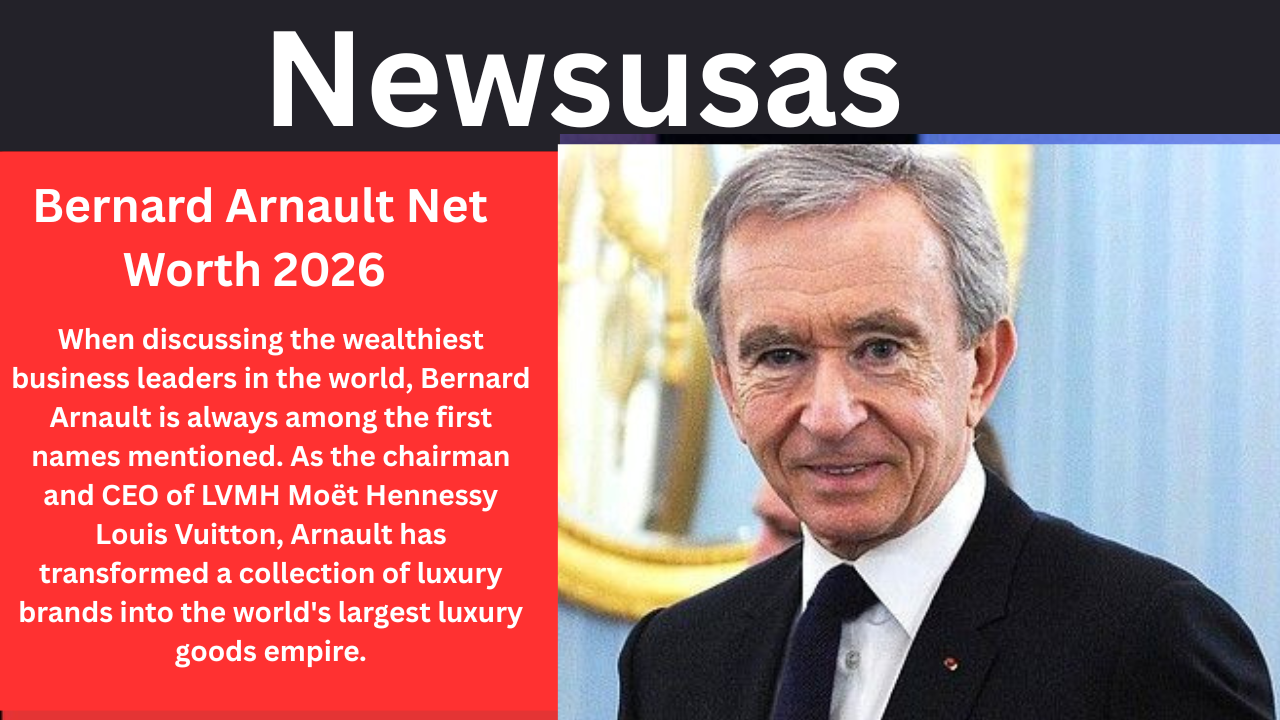
One of the biggest reasons for Bernard Arnault’s enormous wealth is the strength of LVMH’s brand portfolio.
Some of the world’s most recognized luxury names operate under the LVMH umbrella.
These include:
- Louis Vuitton
- Christian Dior
- Tiffany & Co.
- Bulgari
- TAG Heuer
- Hublot
- Sephora
- Fendi
- Givenchy
- Loewe
- Celine
- Kenzo
- Dom Pérignon
- Moët & Chandon
- Veuve Clicquot
Each brand serves a different customer segment while maintaining premium pricing and exceptional quality standards.
This broad portfolio enables LVMH to generate billions of dollars in annual revenue across numerous international markets.
Sources of Bernard Arnault’s Wealth
Bernard Arnault’s wealth does not come from a single source.
Instead, it is built upon multiple income streams.
1. LVMH Shares
The largest portion of his fortune comes from his ownership stake in LVMH.
As the company’s value increases, so does his net worth.
2. Dividends
LVMH distributes dividends to shareholders, providing Arnault with substantial annual income.
3. Investment Portfolio
He owns investments in several luxury businesses, startups, and financial assets.
4. Real Estate
His portfolio includes valuable commercial properties and luxury residences.
5. Family Holding Companies
Various investment entities controlled by the Arnault family manage significant ownership interests across multiple companies.
Business Philosophy
Bernard Arnault believes luxury products should combine craftsmanship, exclusivity, heritage, and innovation.
Instead of chasing short-term trends, he focuses on preserving brand identity while investing for decades into the future.
His management style emphasizes:
- Long-term thinking
- Creative excellence
- Premium quality
- Strong leadership
- Strategic acquisitions
- Continuous innovation
- Customer experience
These principles have helped LVMH remain the global leader in luxury goods despite changing consumer preferences.
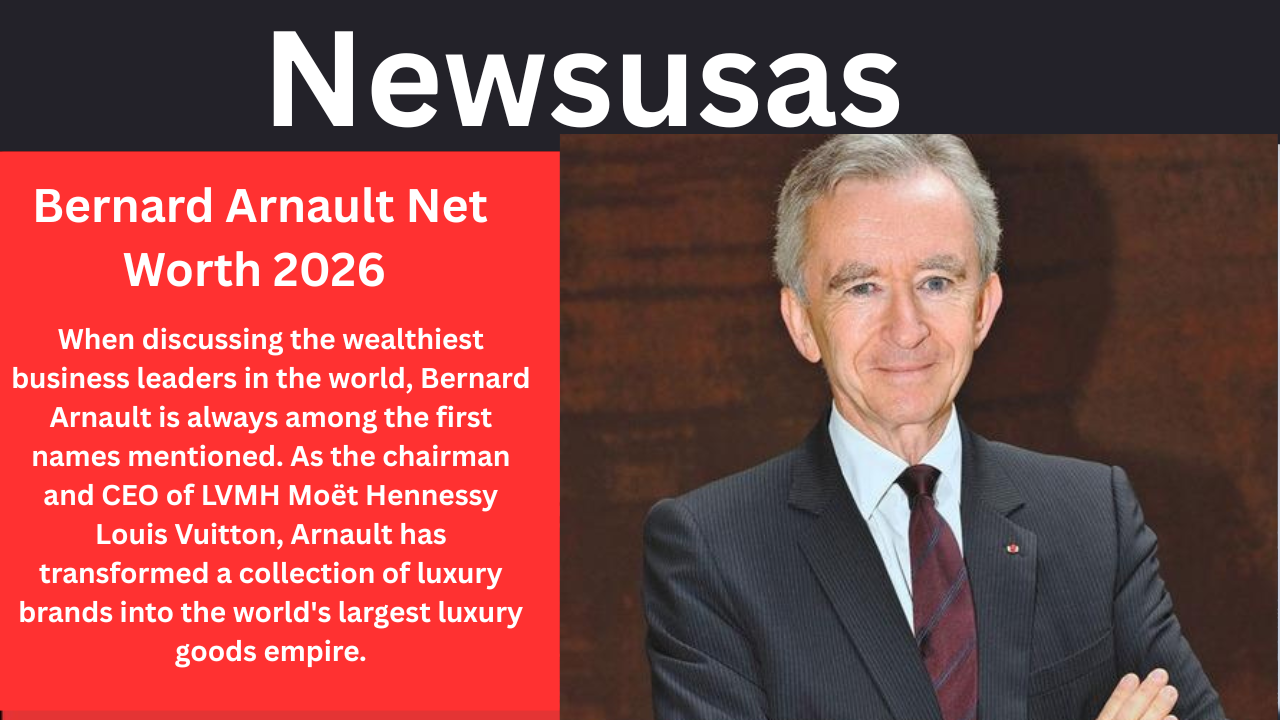
Why Bernard Arnault’s Net Worth Changes Frequently
Many people assume billionaire wealth is stored in cash, but this is rarely the case.
Most of Bernard Arnault’s fortune consists of shares in publicly traded companies.
Because stock prices move daily, his estimated net worth can increase or decrease by billions of dollars within a short period.
Factors that affect his wealth include:
- Quarterly earnings reports
- Luxury consumer demand
- Global financial markets
- Interest rates
- Investor confidence
- Economic growth
- Currency fluctuations
As a result, his ranking among the world’s richest people may change throughout the year even though his underlying businesses remain highly profitable.