
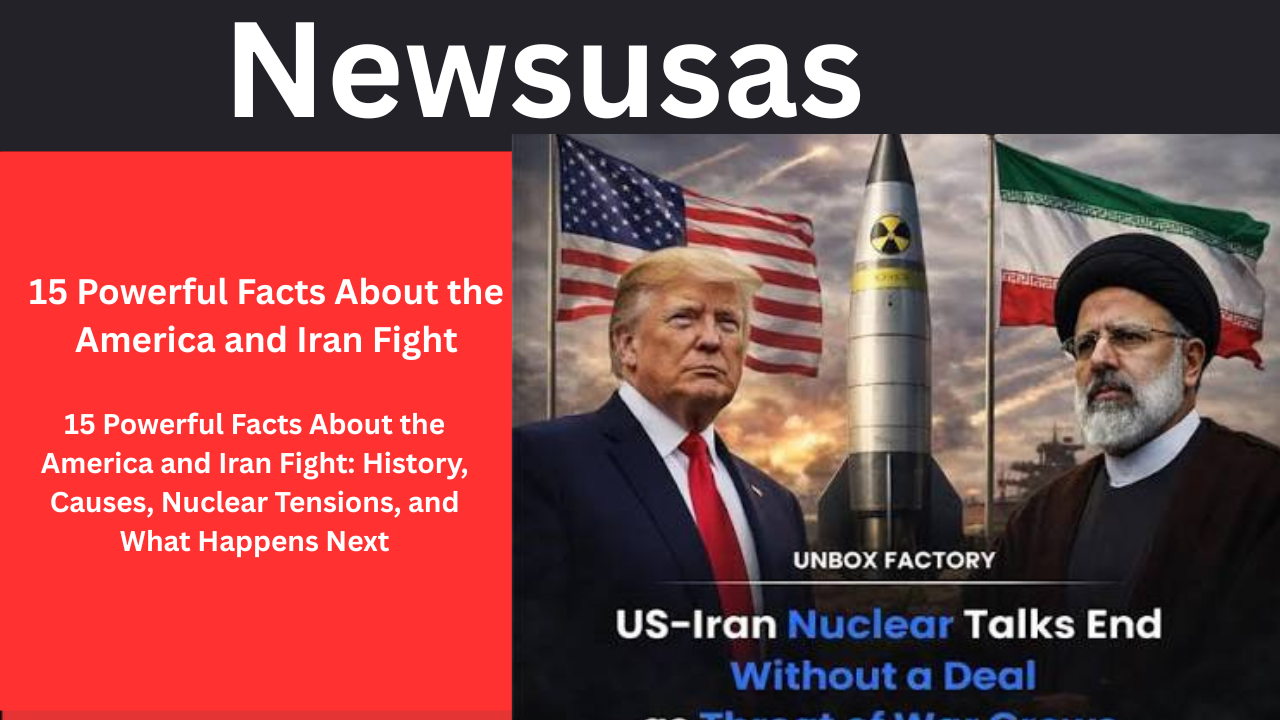
15 Powerful Facts About the America and Iran Fight: History, Causes, Nuclear Tensions, and What Happens Next
Introduction: Understanding the America and Iran Fight
The America and Iran fight is one of the most complicated and dangerous geopolitical conflicts in the modern Middle East. It is not simply a disagreement between two governments. Instead, it is the result of decades of mistrust, military confrontation, economic sanctions, nuclear negotiations, regional competition, and sharply different political visions.
The relationship between the United States and Iran has changed dramatically over more than 70 years. There were periods when Washington and Tehran were close strategic partners. There were also periods of diplomatic isolation, hostage crises, sanctions, military clashes, proxy conflicts, and negotiations.
In 2026, the confrontation has again become a major international issue. Recent reporting describes a broader U.S.-Iran conflict, with the Strait of Hormuz, Iran’s nuclear program, sanctions, military pressure, and regional security among the most important issues surrounding negotiations.
To understand why America and Iran continue to fight, it is necessary to look beyond the latest headlines.
The roots of the dispute stretch back to the middle of the 20th century.
This article explains the 15 most important facts about the America and Iran conflict, including its historical roots, the Iranian Revolution, the hostage crisis, the nuclear dispute, economic sanctions, military confrontations, regional influence, and the difficult search for peace.
1. America and Iran Were Once Close Allies
One of the most surprising facts about the America and Iran fight is that the two countries were not always enemies.
During much of the 20th century, the United States developed strong political, economic, and military relations with Iran, particularly during the rule of Shah Mohammad Reza Pahlavi.
Washington viewed Iran as an important strategic partner in the Middle East. Iran’s geographic position was extremely valuable because the country sits between Central Asia, the Persian Gulf, and the Middle East.
Iran also possessed enormous energy resources.
During the Cold War, American policymakers considered Iran an important partner in containing Soviet influence in the region. The relationship included military cooperation, economic connections, and technological partnerships.
The U.S. Department of State’s historical records show that American-Iranian relations were particularly close during the 1970s, including extensive military and nuclear cooperation.
This history is important because it demonstrates that the present hostility was not inevitable.
The relationship changed because of political developments inside Iran and increasingly serious disagreements between Tehran and Washington.
2. The 1953 Iranian Coup Remains a Major Source of Mistrust
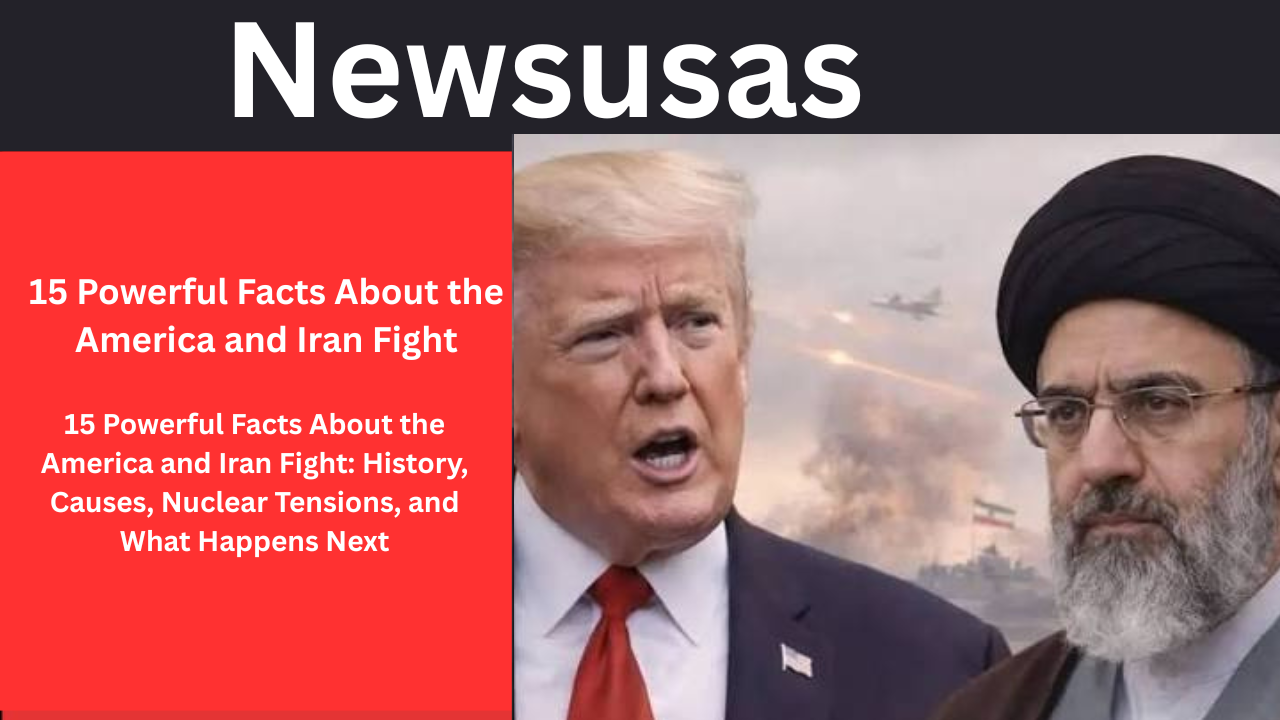
One of the most important events in the history of U.S.-Iran relations occurred in 1953.
Iranian Prime Minister Mohammad Mosaddegh had pursued policies aimed at increasing Iranian control over the country’s oil resources. His government nationalized the oil industry, creating serious tensions with Britain and other Western interests.
The United States and Britain became increasingly concerned about the political direction of Iran.
A coup eventually removed Mosaddegh from power and strengthened the position of Shah Mohammad Reza Pahlavi.
The events surrounding the 1953 coup remain extremely important in Iranian political memory.
For many Iranians, the episode became a symbol of foreign interference.
This historical memory helped create a powerful narrative that Western governments, particularly the United States and Britain, were willing to interfere in Iranian political affairs when their strategic or economic interests were threatened.
The U.S. relationship with Iran later became much closer under the Shah, but the memory of 1953 never completely disappeared.
The history of formal U.S.-Iranian diplomatic relations goes back much further, with the United States formally recognizing and engaging with Persia in the 19th century.
However, the political events of the 20th century had a much stronger effect on modern relations.
3. The 1979 Iranian Revolution Changed Everything
The next major turning point came in 1979.
The Iranian Revolution overthrew the Shah and created the Islamic Republic of Iran.
The revolution fundamentally changed Iran’s domestic politics and foreign policy.
The new government rejected many aspects of the previous relationship with the United States.
American influence became associated by revolutionary leaders with foreign interference, political domination, and support for the Shah.
Washington, meanwhile, saw the new Iranian government as increasingly hostile toward American interests.
The relationship deteriorated rapidly.
This was not simply a disagreement between presidents or diplomats.
It became an ideological confrontation.
Iran developed a political system based on the Islamic Republic, while the United States remained a liberal democratic superpower with a very different political and economic system.
The revolution therefore created the foundation for decades of hostility.
4. The Iran Hostage Crisis Created Deep American Anger
The Iran hostage crisis was another devastating moment in U.S.-Iran relations.
In November 1979, Iranian militants seized the U.S. Embassy in Tehran and held American diplomats and personnel hostage.
The crisis lasted for more than a year.
For Americans, the hostage crisis became a powerful symbol of the new hostility toward the United States.
For Iran’s revolutionary movement, the embassy represented American interference and the previous relationship with the Shah.
The crisis damaged diplomatic relations for decades.
The United States and Iran eventually broke diplomatic relations, and direct diplomatic communication became extremely limited.
Even today, the legacy of the hostage crisis remains part of the historical foundation of American-Iranian mistrust.
This is one reason why negotiations between Washington and Tehran can be so difficult.
Each side carries memories of past confrontations.
5. The Iran-Iraq War Increased Iran’s Security Fears
Another major event that shaped Iran’s strategic thinking was the Iran-Iraq War, which began in 1980.
The conflict became one of the bloodiest wars of the late 20th century.
Iran suffered enormous human and economic losses.
The war also influenced Iran’s perception of national security.
Iran increasingly believed that it needed stronger military capabilities and regional influence to prevent future attacks.
This security mentality later became connected to Iran’s missile program, nuclear activities, and relationships with armed groups across the Middle East.
Iran’s leadership has repeatedly argued that its military capabilities are necessary for deterrence.
The United States and its allies have often viewed some of these capabilities as destabilizing.
This created a classic security dilemma.
Iran says it needs military strength because it feels threatened.
Its opponents say Iran’s military expansion makes them feel more threatened.
The cycle then continues
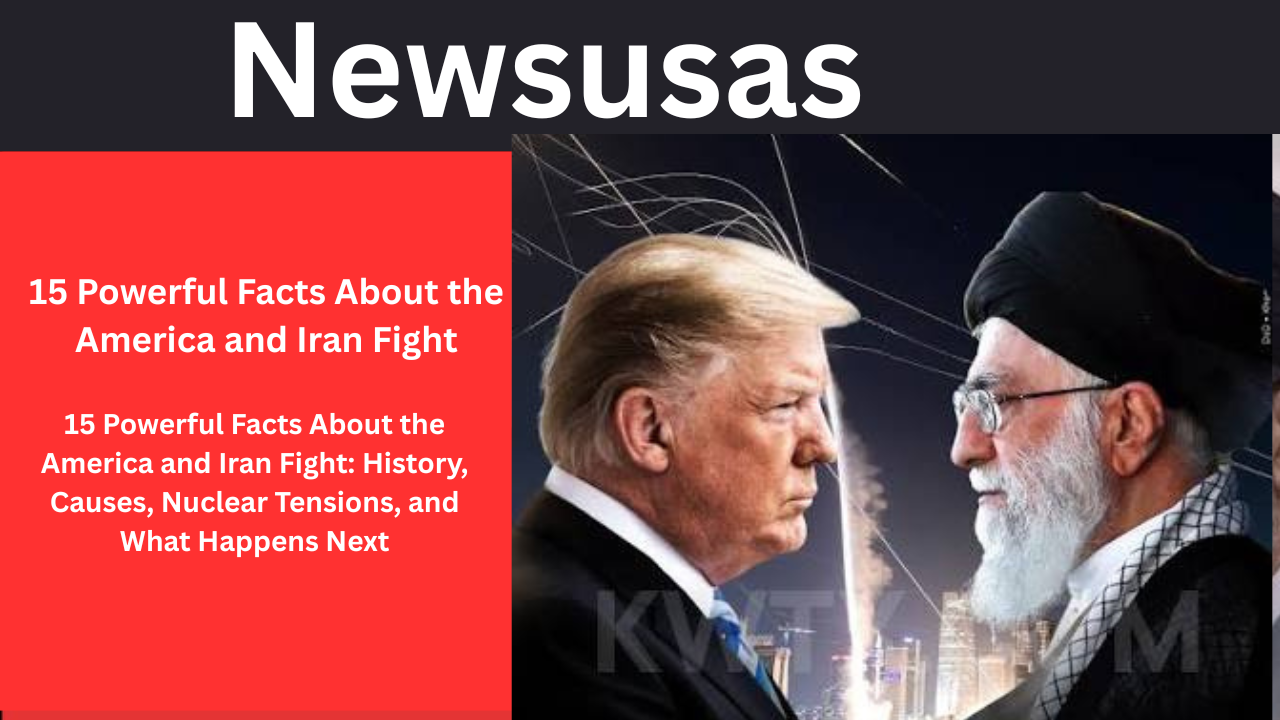
6. Iran’s Nuclear Program Became the Biggest Modern Dispute
Perhaps the most important issue in the modern America and Iran fight is Iran’s nuclear program.
Iran has maintained that its nuclear activities are intended for peaceful purposes, including energy and scientific research.
The United States and other Western countries have worried that Iran could use nuclear technology and enriched uranium as part of a pathway toward developing nuclear weapons.
Iran’s nuclear program dates back decades. The country began developing nuclear capabilities during the 20th century, and concerns about undisclosed facilities became particularly important in the early 2000s.
The dispute is complicated because uranium enrichment can have civilian applications while also providing technology that can potentially be relevant to nuclear weapons production.
This created an extremely difficult diplomatic problem.
Washington wanted stronger restrictions and verification.
Tehran wanted recognition of its right to peaceful nuclear technology and relief from economic sanctions.
The result was years of negotiations.
7. The 2015 Nuclear Deal Created a Historic Diplomatic Opening
In 2015, Iran and several world powers reached the Joint Comprehensive Plan of Action, commonly known as the JCPOA.
The agreement was designed to place major limits on Iran’s nuclear program in exchange for sanctions relief.
The United States, Iran, Britain, France, Germany, Russia, China, and the European Union were involved in the broader diplomatic framework.
The agreement represented one of the most significant diplomatic achievements in the history of the U.S.-Iran nuclear dispute.
Instead of relying entirely on military pressure, the countries attempted to create a system based on restrictions, monitoring, inspections, and economic incentives.
The agreement was controversial from the beginning.
Supporters argued that it reduced the immediate risk of Iran developing a nuclear weapon.
Critics argued that some restrictions were temporary and that the agreement did not adequately address Iran’s missile program or regional activities.
Nevertheless, the JCPOA temporarily created a diplomatic framework.
For a period, diplomacy appeared capable of reducing one of the most dangerous disputes between Washington and Tehran.
8. America’s Withdrawal From the Nuclear Deal Reignited the Conflict
In 2018, President Donald Trump withdrew the United States from the JCPOA.
Washington then restored and expanded sanctions against Iran as part of a maximum pressure strategy.
The American objective was to force Iran into accepting a broader agreement.
Iran strongly opposed the American approach.
Over time, the nuclear dispute became increasingly difficult.
Iran began reducing compliance with some of the restrictions contained in the nuclear agreement.
The United States continued sanctions.
The economic pressure placed enormous strain on Iran.
This period demonstrated an important reality of international politics:
Economic sanctions can create pressure, but pressure does not automatically produce a diplomatic agreement.
Both Washington and Tehran believed they had reasons to maintain their positions.
The United States wanted stronger restrictions.
Iran wanted sanctions removed before making major concessions.
That disagreement became one of the central obstacles to diplomacy.
9. Economic Sanctions Became a Powerful Weapon
The United States has used sanctions as one of its most important tools against Iran.
Sanctions can restrict a country’s ability to sell oil, access international financial systems, conduct international business, and obtain certain technologies.
For Iran, the consequences have been significant.
The Iranian economy depends heavily on energy exports.
When sanctions reduce access to global markets, government revenue can fall.
The effects can also reach ordinary citizens through inflation, currency instability, reduced investment, and higher prices.
Research published in 2026 has examined the long-term economic effects of Iran’s confrontation with Western countries and found significant economic and institutional costs associated with prolonged isolation.
However, sanctions are controversial.
Supporters argue that they provide a way to pressure governments without immediately resorting to war.
Critics argue that sanctions can hurt ordinary people and may strengthen hard-line political forces.
This debate remains central to discussions about Iran.
10. Military Confrontation Has Happened Before
Although the United States and Iran have generally avoided a traditional full-scale war against each other, they have experienced several dangerous military confrontations.
One major example occurred in 1988, when U.S. and Iranian naval forces clashed in the Persian Gulf.
The region has remained strategically important because of its energy resources and shipping routes.
Iran has developed significant missile and military capabilities.
The United States maintains major military capabilities and partnerships in the broader Middle East.
This creates the possibility that a small incident could escalate rapidly.
The risk is particularly serious because military forces from several countries operate in the same region.
A missile launch, naval incident, drone attack, or strike on a military facility can potentially trigger retaliation.
That is why diplomats frequently focus on de-escalation.
11. The Strait of Hormuz Is a Critical Pressure Point
The Strait of Hormuz is one of the most strategically important waterways in the world.
It connects the Persian Gulf with the Gulf of Oman and the Arabian Sea.
A significant portion of global energy shipments passes through the region.
This makes the Strait of Hormuz extremely important to both the global economy and the America-Iran confrontation.
Iran’s geographic position gives it significant leverage in the area.
The United States and its allies, meanwhile, have strong interests in keeping international shipping routes open.
Recent reporting in August 2026 has highlighted the Strait of Hormuz as a major issue in negotiations following months of conflict. Reports say Iran has sought greater influence over passage through the waterway, while the United States has opposed restrictions that would limit freedom of navigation.
The importance of Hormuz extends far beyond Iran and America.
If energy shipments are disrupted, oil prices can rise.
Higher oil prices can increase transportation costs.
That can then affect businesses, food prices, manufacturing, airlines, and consumers around the world.
In this way, a regional conflict can quickly become a global economic problem.
12. Iran Has Built Regional Influence
Another major reason behind the America and Iran fight is regional influence.
Iran has developed relationships with various political and armed groups across the Middle East.
These relationships have been described as part of Iran’s broader regional strategy.
Iran argues that supporting allied groups helps protect its national security and counter American and Israeli influence.
The United States and its allies often view these networks as a major source of regional instability.
The issue became even more complicated after the wars and conflicts that followed the 2003 invasion of Iraq, the Syrian civil war, the rise of ISIS, and the Israel-Palestinian conflict.
Iran’s influence expanded in several parts of the region.
American officials became increasingly concerned about Iranian-backed groups attacking U.S. personnel and partners.
This created another layer of conflict beyond the nuclear issue.
The U.S.-Iran dispute therefore cannot be understood only through Washington and Tehran.
It is also connected to Iraq, Syria, Lebanon, Israel, Yemen, the Gulf states, and the wider Middle East.
13. The Killing of Qassem Soleimani Was a Major Escalation
In January 2020, the United States killed Iranian commander Qassem Soleimani in a drone strike near Baghdad.
Soleimani was one of the most influential military figures in Iran.
He commanded the Islamic Revolutionary Guard Corps Quds Force and played a major role in Iran’s regional strategy.
Iran condemned the killing and promised retaliation.
The incident brought the two countries dangerously close to a larger military confrontation.
Iran later launched missile attacks against facilities housing U.S. personnel in Iraq.
Although the confrontation did not develop into a full-scale U.S.-Iran war at that moment, the episode demonstrated how quickly tensions could escalate.
The Soleimani killing remains one of the most important events in modern U.S.-Iran relations.
It also reinforced Iran’s belief that the United States was willing to use direct military force against senior Iranian officials.
14. The Israel-Iran Conflict Added Another Dangerous Dimension
The America and Iran fight cannot be separated from the wider relationship between Iran and Israel.
Iran and Israel have been major regional rivals for decades.
The conflict became especially dangerous after the October 2023 Hamas attack on Israel and the subsequent Gaza war.
Iran-backed groups became involved in different parts of the regional conflict.
Israel also launched military operations against Iranian-linked targets.
The confrontation eventually developed into direct exchanges between Israel and Iran.
The United States has a close security relationship with Israel.
As a result, any major Israel-Iran conflict can potentially pull Washington deeper into confrontation with Tehran.
This creates an extremely dangerous chain reaction.
A conflict that begins between two regional powers can involve the United States, Gulf countries, international shipping, and global energy markets.
That is why diplomacy has become so important.
15. The 2026 Conflict Shows How Difficult the Situation Has Become
The current 2026 confrontation represents a serious new chapter in the history of America and Iran.
Recent reports describe a prolonged conflict involving military pressure, negotiations, sanctions, nuclear concerns, and disputes over the Strait of Hormuz.
The most important question is no longer simply whether America and Iran disagree.
They clearly do.
The larger question is whether both sides can create a sustainable agreement that prevents another major escalation.
Reports in August 2026 indicate that negotiations remain difficult and that the future of the conflict is closely connected to sanctions, nuclear restrictions, Iranian assets, military threats, and control or access around the Strait of Hormuz.
This means that the conflict is simultaneously military, economic, political, and diplomatic.
Why Does America Fight With Iran?
There is no single reason.
Instead, there are at least 7 major causes behind the long-running conflict.
1. Nuclear Concerns
The United States wants strong guarantees that Iran will not develop nuclear weapons.
Iran says its nuclear program has peaceful purposes and objects to restrictions that it considers unfair.
2. Regional Influence
Washington wants to limit Iranian influence across the Middle East.
Iran wants to maintain relationships with regional partners and resist American influence.
3. Security
Iran believes it faces serious threats from the United States, Israel, and other regional opponents.
The United States believes Iranian military and missile capabilities threaten American personnel and regional allies.
4. Sanctions
Washington uses sanctions to pressure Tehran.
Iran demands sanctions relief as part of negotiations.
5. Political Ideology
The two governments have fundamentally different political systems and worldviews.
6. Historical Mistrust
Events including the 1953 coup, the Iranian Revolution, the hostage crisis, and decades of sanctions have created deep mistrust.
7. Regional Alliances
Iran has relationships with armed groups and governments across the Middle East, while the United States maintains strong relationships with Israel and Gulf partners.
These factors reinforce each other.
Why Does Iran Oppose America?
From Tehran’s perspective, the conflict has a different explanation.
Iranian leaders have repeatedly argued that the United States has interfered in Iranian affairs and attempted to weaken the Islamic Republic.
Iran also points to American military bases and alliances in the region.
From Iran’s perspective, American military power close to its borders creates a national security threat.
Iran therefore seeks strategic deterrence.
That can include missiles, military forces, regional partnerships, and nuclear capabilities.
The problem is that these same policies make neighboring countries and the United States more concerned about Iran.
This creates a classic cycle:
Iran feels threatened → Iran increases deterrence → opponents feel threatened → opponents increase pressure → Iran responds again.
Breaking this cycle is extremely difficult.
What Is the Role of Nuclear Weapons?
Nuclear weapons are at the center of international concern surrounding Iran.
Iran has repeatedly said it does not seek nuclear weapons.
The United States and other countries have nevertheless remained concerned about the country’s enrichment capabilities and nuclear infrastructure.
The nuclear issue is especially sensitive because enrichment technology has both civilian and military implications.
International inspectors play a crucial role in determining what Iran is doing.
The International Atomic Energy Agency, or IAEA, is responsible for monitoring Iran’s nuclear activities under relevant safeguards arrangements.
Recent reporting has highlighted serious challenges surrounding inspections and verification following military attacks on Iranian nuclear facilities.
Without reliable verification, international governments have greater difficulty determining the exact status of Iran’s nuclear activities.
That increases uncertainty.
And uncertainty can increase the risk of military action.
Could America and Iran Have a Peace Agreement?
Yes, a diplomatic settlement is possible.
But reaching one would be extremely difficult.
A sustainable agreement would probably need to address several major issues.
Nuclear Restrictions
Iran would likely need to accept meaningful nuclear limits and verification.
Sanctions Relief
Iran would want significant economic relief in exchange for concessions.
Military Security
Iran would seek guarantees against future attacks.
The United States would want guarantees against Iranian attacks and destabilizing activities.
Regional Armed Groups
The two sides would likely need to address Iran’s relationships with regional armed organizations.
Strait of Hormuz
Freedom of navigation and maritime security would be crucial.
Long-Term Verification
Any agreement would need mechanisms to ensure that both sides follow their commitments.
This is why a quick agreement is unlikely to solve every problem.
A temporary ceasefire may be easier than a permanent settlement.
The Economic Impact of the America-Iran Conflict
War is expensive.
The economic consequences can spread far beyond the countries directly involved.
Oil Prices
The Middle East remains one of the world’s most important energy-producing regions.
Any serious threat to oil transportation can increase market uncertainty.
Transportation Costs
Higher oil prices can increase the cost of shipping, trucking, aviation, and public transportation.
Inflation
Energy costs influence the prices of many products.
When transportation and manufacturing become more expensive, consumers can eventually pay more.
Global Markets
Investors generally dislike geopolitical uncertainty.
A major conflict can cause volatility in stock markets, currencies, commodities, and energy markets.
Iran’s Economy
Iran has faced years of sanctions and economic pressure.
Long-term isolation can reduce foreign investment and make international trade more difficult.
How the Conflict Could Affect Pakistan and Other Asian Countrie
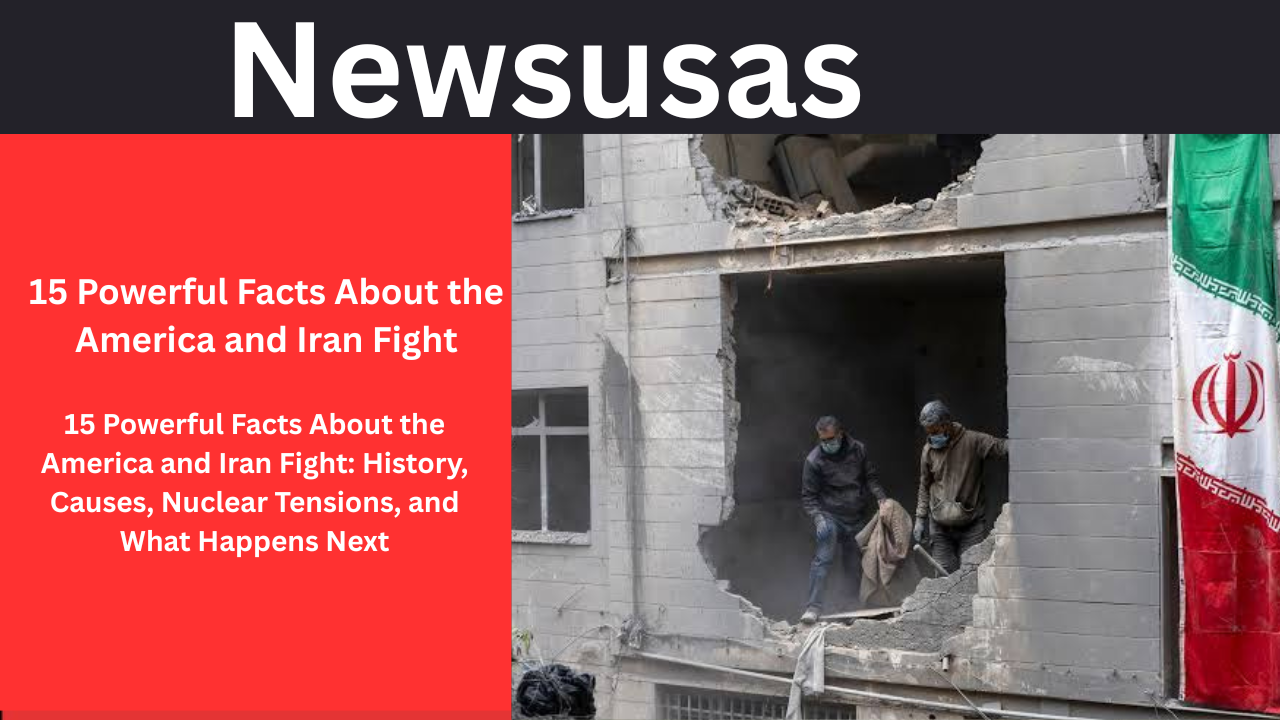
The America-Iran conflict is also important for countries in South Asia.
Pakistan has geographic and economic ties to the broader Middle East.
Any prolonged regional war can affect:
- Oil prices
- Fuel costs
- Transportation
- Remittances
- Trade
- Inflation
- Currency markets
- Regional security
If global energy prices increase significantly, countries that import large amounts of fuel can experience additional economic pressure.
For developing economies, this can become especially challenging.
Higher fuel prices can increase the cost of electricity, transportation, agriculture, and food distribution.
Therefore, even people living thousands of kilometers away from Iran can feel the effects of the conflict.
America vs. Iran: Who Is Stronger?
The United States has a much larger economy and military than Iran.
America possesses a global military network, advanced aircraft, aircraft carriers, intelligence capabilities, long-range weapons, and extensive alliances.
Iran has a different set of advantages.
Iran has a large population, significant geographic depth, extensive missile capabilities, and the ability to operate through regional partnerships.
Iran’s geography is also important.
The country is large and mountainous, making conventional military operations difficult.
Iran also has decades of experience operating under sanctions.
This does not mean Iran is militarily equal to the United States.
It means that military strength cannot be measured only by the size of a country’s conventional forces.
A conflict can become extremely expensive even when one side has superior conventional military power.
Why a Full-Scale U.S.-Iran War Would Be Dangerous
A full-scale war could create consequences far beyond the battlefield.
There are several reasons.
1. Energy Markets
Oil and gas prices could rise sharply.
2. Regional Expansion
Other armed groups and regional governments could become involved.
3. Civilian Casualties
Large-scale military operations can cause enormous humanitarian suffering.
4. Shipping Disruption
The Strait of Hormuz could become a major flashpoint.
5. Global Economic Shock
Higher energy prices could affect countries around the world.
6. Nuclear Risk
Any attack involving nuclear facilities could create serious environmental and political consequences.
7. Long-Term Instability
Even if major combat ends, rebuilding trust could take many years.
For these reasons, many governments prefer diplomatic solutions whenever possible.
What Are the Biggest Obstacles to Peace?
The biggest obstacle is trust.
America does not fully trust Iran.
Iran does not trust America.
Both sides fear that the other could use negotiations to gain time or strategic advantage.
There is also a problem of domestic politics.
Leaders in both countries must respond to their own populations and political institutions.
A compromise that looks reasonable to diplomats may be attacked by political opponents at home.
Another obstacle is verification.
Even if Iran and the United States agree on nuclear restrictions, they need a reliable system to verify compliance.
A fourth obstacle is regional politics.
Iran’s relationship with Israel, Gulf countries, Iraq, Syria, Lebanon, and Yemen makes a bilateral U.S.-Iran agreement more complicated.
The conflict is therefore not just bilateral.
It is part of a much larger Middle Eastern security system.
The Role of Diplomacy in Ending the Conflict
Diplomacy may appear weak compared with military power, but it can sometimes prevent much larger disasters.
The 2015 nuclear agreement demonstrated that the United States and Iran can negotiate complicated agreements even after decades of hostility.
The challenge is creating an agreement that both sides consider more beneficial than continued confrontation.
A successful diplomatic process would probably require gradual steps.
For example:
- Reduce military attacks.
- Protect civilian infrastructure.
- Establish reliable communication channels.
- Improve nuclear inspections.
- Discuss sanctions relief.
- Address maritime security.
- Negotiate regional security issues.
- Build a longer-term agreement.
This approach would not solve every disagreement.
But it could reduce the risk of another devastating escalation.
What Happens Next in the America and Iran Fight?
There are several possible scenarios.
Scenario 1: A New Diplomatic Agreement
The best-case scenario would involve negotiations producing a durable agreement.
Iran could receive sanctions relief while accepting nuclear restrictions and verification.
The United States could receive security guarantees and limits on activities it considers threatening.
This would be difficult but potentially transformative.
Scenario 2: A Long-Term Standoff
The two countries could remain in a state of confrontation without entering permanent peace.
Sanctions could continue.
Military forces could remain on alert.
Negotiations could repeatedly begin and collapse.
This has happened in different forms before.
Scenario 3: Continued Regional Conflict
The conflict could remain connected to other Middle Eastern flashpoints.
This would create continued uncertainty for global energy markets.
Scenario 4: Major Escalation
A serious military incident could trigger another cycle of attacks.
This would be the most dangerous scenario.
The risk would be particularly high if attacks involved major energy infrastructure, nuclear facilities, military bases, or shipping routes.
10 Important Lessons From the America-Iran Conflict
The long history of U.S.-Iran relations provides several important lessons.
Lesson 1: Enemies Can Become Partners
The United States and Iran were once close strategic partners.
Lesson 2: History Matters
Events from decades ago can influence political decisions today.
Lesson 3: Sanctions Have Limits
Economic pressure can hurt a government but does not guarantee political surrender.
Lesson 4: Military Superiority Does Not Guarantee Easy Victory
Geography, missiles, regional alliances, and political resistance can make war extremely complicated.
Lesson 5: Nuclear Diplomacy Requires Verification
Agreements must include credible monitoring mechanisms.
Lesson 6: Regional Conflicts Can Become Global Problems
Oil markets and shipping routes connect the Middle East to the entire world.
Lesson 7: Communication Is Essential
Direct or indirect communication can prevent misunderstandings.
Lesson 8: Civilian Populations Pay the Highest Price
Governments make strategic decisions, but ordinary people often experience the economic and humanitarian consequences.
Lesson 9: Peace Requires Compromise
Neither side is likely to receive everything it wants.
Lesson 10: Prevention Is Better Than Escalation
Once a conflict becomes a major war, returning to diplomacy becomes much harder.
America and Iran Fight: Frequently Asked Questions
Is America at war with Iran?
The nature and intensity of U.S.-Iran military confrontation has changed over time. In 2026, recent reporting describes an active and serious conflict involving military operations and difficult negotiations. Because the situation can change rapidly, current developments should be checked against reliable reporting and official statements.
Why does America oppose Iran?
The United States has major concerns about Iran’s nuclear activities, missile capabilities, regional armed partnerships, threats to American personnel and allies, and broader regional security.
Why does Iran oppose America?
Iran views the United States as a major external threat and frequently points to sanctions, American military forces in the region, support for Israel, and historical U.S. involvement in Iranian affairs.
Did America and Iran ever have good relations?
Yes. The two countries had close political, economic, military, and nuclear relationships before the 1979 Iranian Revolution. U.S. historical documents describe extensive cooperation between Washington and Tehran during the 1970s.
What caused the biggest break between America and Iran?
The 1979 Iranian Revolution and subsequent hostage crisis transformed the relationship and eventually led to the breakdown of formal diplomatic relations.
What is the Iran nuclear dispute?
It is a long-running disagreement over Iran’s nuclear activities, uranium enrichment, international inspections, sanctions, and concerns about possible nuclear weapons development.
What was the 2015 Iran nuclear deal?
The JCPOA was an international agreement designed to restrict Iran’s nuclear program in exchange for sanctions relief.
Why did the United States leave the nuclear deal?
The Trump administration withdrew from the agreement in 2018 and returned to a maximum-pressure sanctions strategy.
Why is the Strait of Hormuz important?
It is a critical maritime route connecting the Persian Gulf with international waters and is highly important for global energy transportation.
Could America and Iran make peace?
Yes. Diplomacy remains possible, but a durable agreement would require major compromises involving nuclear restrictions, sanctions, security guarantees, regional issues, and maritime security.
Final Thoughts: A Dangerous Conflict With No Easy Answer
The America and Iran fight is not the product of one event.
It is the result of a long and complicated history.
The 1953 coup created deep Iranian memories of foreign interference.
The 1979 Iranian Revolution destroyed the previous U.S.-Iran partnership.
The hostage crisis transformed American public opinion.
The Iran-Iraq War reinforced Iran’s security fears.
The nuclear dispute created international tensions.
The 2018 American withdrawal from the nuclear agreement reopened a major diplomatic crisis.
The killing of Qassem Soleimani demonstrated the possibility of direct military confrontation.
Regional conflicts involving Israel, Iraq, Syria, Lebanon, and Yemen made the situation even more complicated.
By 2026, the confrontation has developed into a much broader geopolitical crisis involving military power, nuclear policy, sanctions, oil, international shipping, regional alliances, and diplomacy. Recent reporting indicates that negotiations remain difficult, particularly around sanctions, the nuclear issue, and the strategic importance of the Strait of Hormuz.
The most important lesson is that neither country exists in isolation.
What happens between America and Iran can influence Israel, Gulf states, Iraq, Pakistan, Europe, Asian economies, international energy markets, and global trade.
A major war would therefore not be simply an American-Iranian problem.
It could become a worldwide economic and security crisis.
The strongest path forward is ultimately one that reduces the possibility of accidental escalation while creating incentives for both sides to negotiate.
The history of U.S.-Iran relations shows that relationships can change.
Countries that were once allies can become enemies.
And enemies can, under the right circumstances, return to diplomacy.
The future of America and Iran will depend on whether their leaders choose continued confrontation or find a practical way to replace an endless cycle of pressure and retaliation with verification, negotiation, and long-term security.