
Introduction: NFL trade deadline rumors 2025
Every year, the NFL trade deadline sends shockwaves through the league and 2025 is shaping up to be no different. Teams are scrambling to fix roster gaps, add playoff-caliber players, and offload expensive contracts before time runs out. For fans, this time of year feels like Christmas morning mixed with a rollercoaster ride. Rumors swirl, insiders drop cryptic tweets, and fanbases dream of blockbuster trades that could change their season’s fate overnight.
The trade deadline isn’t just about big names it’s about strategy. Front offices must balance short-term gains with long-term stability. Should a team risk future draft picks for a veteran? Or hold steady and bet on their young talent? These decisions define franchises and create the storylines we talk about for years. In 2025, the rumor mill is spinning faster than ever with superstars, quarterbacks, and even defensive anchors rumored to be on the move.
In this detailed breakdown, we’ll explore every major storyline surrounding the 2025 NFL trade deadline: key dates, rules, player rumors, salary dynamics, and more. Whether you’re an avid football junkie or a casual fan looking to keep up, this guide covers it all.
Why the NFL Trade Deadline Is So Exciting
The NFL trade deadline is unlike any other in professional sports. While baseball and basketball see trades throughout the season, football teams have a much tighter window and every deal carries enormous weight. In a league with only 17 regular-season games, one impact player can completely shift a team’s trajectory.
Teams on the playoff bubble often make bold moves to stay competitive, while struggling franchises look to trade veterans for future draft capital. It’s a fascinating balance between win-now urgency and long-term vision. Coaches, general managers, and even owners feel the pressure as media speculation heats up.
Fans, meanwhile, are glued to social media, hoping for the next “breaking news” alert. Remember when the Rams traded for Von Miller before their Super Bowl run? Or when the 49ers landed Christian McCaffrey and completely reshaped their offense? Those moments define why the trade deadline feels electric because one move can turn a contender into a champion.
2025 is no exception. With playoff races tightening, key injuries piling up, and several teams in cap trouble, expect a flurry of activity and maybe even a few shockers no one sees coming.
When Is the NFL Trade Deadline 2025?
The NFL trade deadline for the 2025 season is expected to fall on Tuesday, October 28, 2025, at 4:00 p.m. Eastern Time. This marks the league’s traditional schedule typically set for the Tuesday following Week 8 of the regular season. By this point, every team has a good sense of where they stand. Are they contenders, pretenders, or preparing for next year?
This date matters because it’s the final chance for teams to make trades that can influence the postseason. After this point, players can’t be moved between teams (unless they’re released and signed as free agents). For general managers, it’s decision time: go all-in for a playoff push, or start rebuilding for the future?
Smart franchises prepare weeks in advance, scouting other teams’ needs and cap situations. Some clubs even stash salary space to make last-minute deals possible. In short, the trade deadline is not just a date it’s a strategic checkpoint in the NFL calendar that can define a team’s destiny.
What Date Is the NFL Trade Deadline?
The official date for the 2025 NFL trade deadline is projected to be Tuesday, October 28, 2025, at 4:00 PM Eastern Time (ET). While this date hasn’t been formally confirmed by the league yet, the NFL typically holds its trade deadline on the Tuesday following Week 8 of the regular season. That timing gives teams nearly two months to evaluate their roster and decide whether to buy, sell, or stay put.
It’s a critical date that every general manager circles on the calendar. Why? Because after that 4:00 PM cutoff, no trades can be processed until the next league year begins in March 2026. That means if a contender misses out on adding a star player before the deadline, their window to improve closes for the remainder of the season. Likewise, teams looking to offload high-salary veterans lose their last shot to do so.
For players and fans alike, trade deadline day can be chaotic. Phones buzz nonstop. Twitter (or “X”) explodes with insider updates. Reporters like Adam Schefter and Ian Rapoport become must-follows as they reveal which teams are making late-night calls to finalize last-minute deals. The atmosphere feels like a mix between Wall Street and a sports drama fast-paced, intense, and unpredictable.
To give you perspective, here’s a quick look at recent NFL trade deadlines:
| Year | Trade Deadline Date | Notable Trade |
|---|---|---|
| 2022 | November 1 | Christian McCaffrey to 49ers |
| 2023 | October 31 | Chase Young to 49ers |
| 2024 | October 29 | Davante Adams to Jets (rumored blockbuster) |
As the 2025 season unfolds, teams like the Bills, Cowboys, and Lions are already rumored to be exploring potential upgrades. The deadline could bring fireworks, with big names possibly even quarterbacks changing uniforms in pursuit of postseason glory.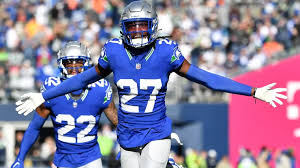
Can an NFL Player Refuse a Trade?
Technically, most NFL players cannot refuse a trade once it’s approved by the league unless specific conditions in their contract allow them to do so. The main exception is when a player has a “no-trade clause.” This rare contractual provision gives a player the right to veto any proposed trade, granting them control over their destination.
For example, star quarterbacks like Patrick Mahomes or Aaron Rodgers could potentially negotiate no-trade clauses, giving them leverage to stay put unless they personally agree to move. For everyone else, being traded is part of the business.
However, there’s a subtle twist. While players may not have the legal right to refuse a trade, they can still make it undesirable for a team to acquire them. A player might publicly state they won’t report to a new team, threaten retirement, or request a contract renegotiation tactics that discourage trades. Sometimes, this pressure works behind the scenes to influence where a player ends up.
Another key point: the NFL Players Association (NFLPA) ensures that all trades are executed fairly. Before any trade becomes official, the league office must approve the transaction and verify all contract details. Players are immediately informed, and they must report to their new team as soon as possible, often within 24 to 48 hours.
The reality is that being traded can be tough on players and families. Moving cities, learning new playbooks, and adjusting to new teammates mid-season can be overwhelming. Still, for many, it’s also a chance for a fresh start a new opportunity to shine in a different system or on a contender.
What Is Rule 17 in the NFL?
Rule 17 in the NFL is one of those lesser-known yet highly influential rules that governs how the league handles extraordinary circumstances or errors during games. Often referred to as the “Commissioner’s Authority Rule,” it allows the NFL Commissioner to take corrective action if something unfair or unusual affects the outcome of a game.
To break it down simply: Rule 17 gives the Commissioner power to step in when something goes wrong that falls outside normal officiating. For example, if a game result is affected by an error that can’t be corrected through normal replay review like a timekeeping issue or a misapplied rule the Commissioner can order remedies such as replaying part of a game or even reversing a result (though that’s extremely rare).
This rule was most famously discussed after the controversial 2018 NFC Championship Game between the Saints and Rams, when a blatant missed pass interference call arguably cost New Orleans a Super Bowl appearance. Many fans and analysts pointed to Rule 17 as a potential fix, but the league ultimately decided not to invoke it.
Rule 17, Section 2 of the NFL rulebook states:
“The Commissioner has the sole authority to investigate and take appropriate disciplinary or corrective measures if any club action, non-participant interference, or calamity occurs that has a major effect on the result of the game.”
In simple terms: if chaos breaks out and affects the integrity of the game, the Commissioner can step in. It’s like the NFL’s “emergency button,” reserved for the most extreme situations. While rarely used, it’s a reminder that the league prioritizes fairness and the legitimacy of competition above all else.
Can NFL Teams Trade Anytime?
No NFL teams cannot trade anytime they want. The league has strict trade windows, and once those windows close, all player trades are frozen until the next offseason.
Here’s how it works:
The NFL trading period begins at the start of the new league year in March usually right after free agency opens.
It remains open until the trade deadline, typically around late October.
After that point, no team can trade players until the following March.
That’s roughly a seven-month trading window each year. During that time, general managers are free to negotiate trades, swap draft picks, and restructure contracts to make deals possible.
Once the trade deadline passes, teams must rely on free-agent signings and practice-squad promotions to fill roster gaps. Players released after the deadline can still be signed by other teams, but they can’t be traded.
Why such a strict rule? The NFL values competitive balance. Allowing trades during the final stretch of the season could lead to unfair advantages, with struggling teams dumping stars onto contenders right before the playoffs. The deadline ensures that rosters are mostly set as teams head into November and December football.
So yes, trades make headlines but only for part of the year. The rest of the time, teams have to get creative through smart coaching, player development, and salary-cap management to stay competitive.
Biggest Names Circulating in 2025 Trade Rumors
As the 2025 NFL trade deadline looms, the rumor mill is heating up with big names reportedly on the market. Every year, unexpected stars find themselves at the center of trade talks sometimes due to contract disputes, salary cap crunches, or simply a poor team fit. This season, the buzz is louder than ever. From veteran quarterbacks to elite wide receivers, let’s break down the players everyone’s watching.
Quarterbacks on the Market
Quarterbacks always dominate trade chatter because they’re the heartbeat of any franchise. In 2025, several intriguing names are popping up in discussions. One of the biggest is Justin Fields, whose time in Chicago may be nearing an end. Despite flashes of brilliance, inconsistency and coaching changes have raised questions about his long-term future with the Bears. A fresh start could reignite his career teams like the Raiders or Commanders might come calling.
Another name to watch is Kirk Cousins, who continues to perform at a high level but may not fit into Minnesota’s future plans if they decide to rebuild. His experience and leadership could attract contenders needing a reliable veteran presence late in the season.
Then there’s the wildcard Trey Lance. Once a top draft pick, Lance’s NFL journey has been rocky, bouncing from San Francisco to Dallas without securing a long-term starting role. As a young, athletic quarterback with untapped potential, he could be a low-risk, high-reward trade option for teams seeking depth.
Star Receivers and Running Backs in Trade Talks
Wide receivers are often at the heart of deadline drama, especially when contract negotiations stall. Tee Higgins of the Bengals remains a hot topic. After being franchise-tagged in 2024, his future in Cincinnati is uncertain. If the Bengals can’t agree on an extension, they may move him to recoup value before losing him in free agency.
Davante Adams, meanwhile, continues to be the subject of trade buzz. Despite his immense talent, the Raiders’ inconsistency and constant quarterback changes have left Adams frustrated. At age 33, he still has elite production left in the tank and a move to a contender like the Bills or Jets could make headlines.
In the backfield, Saquon Barkley is once again drawing attention. After signing a shorter-term deal with Philadelphia, his market could heat up if the Eagles struggle midseason. Contenders desperate for a versatile playmaker might be willing to pay up for his services.
These names are just the beginning. The 2025 deadline could feature surprise trades that reshape playoff races and perhaps even define the next Super Bowl champion.
Top Teams Expected to Make Major Moves
When the trade deadline nears, every fan wants to know: who’s buying and who’s selling? In 2025, several teams stand out as likely participants in the trade frenzy some chasing rings, others planning for the future.
Contenders Looking to Add the Final Piece
Buffalo Bills: After a heartbreaking playoff loss last season, the Bills are all-in for a Super Bowl run. They’ve already shown interest in adding an explosive receiver to complement Stefon Diggs. A move for Tee Higgins or even Davante Adams could put them over the top.
Dallas Cowboys: The Cowboys are desperate to capitalize on their championship window. With a loaded defense and playmakers on offense, they’re reportedly seeking an upgrade at running back and offensive line depth to protect Dak Prescott.
Detroit Lions: Detroit continues to build around Jared Goff, and with a strong foundation already in place, a trade for a defensive playmaker or a veteran cornerback could make them serious NFC favorites.
Rebuilders Looking Toward the Future
New England Patriots: After parting ways with veteran stars and starting a rebuild, the Patriots might trade away aging players like Matthew Judon or Hunter Henry to acquire more draft picks. New coach and management could use the deadline to reset the roster.
Chicago Bears: If Justin Fields is indeed on the block, Chicago could collect valuable assets to build around a new quarterback. They’re in position to sell veterans and load up for 2026.
Arizona Cardinals: Arizona is in a transitional phase, and with Kyler Murray’s future uncertain, they might explore moving him if the right offer emerges. Expect them to be sellers especially if they fall out of playoff contention early.
This mix of buyers and sellers sets up the perfect storm for a thrilling trade deadline. Every contender’s phone line will be busy, and every rebuilding team will be hunting for the right deal to shape its future.
What’s the Biggest NFL Trade Deadline Deal in History?
The NFL trade deadline hasn’t always been as active as in other sports, but in recent years, blockbuster deals have changed that perception. Some trades have even altered the trajectory of franchises and Super Bowl outcomes. Here are a few of the biggest and most memorable:
Christian McCaffrey to the 49ers (2022):
When San Francisco acquired McCaffrey from the Panthers, it shocked the football world. The star running back instantly transformed the 49ers’ offense, helping them reach multiple NFC Championship games. It remains one of the most impactful midseason trades ever.Von Miller to the Rams (2021):
The Rams went “all-in” by trading for the veteran pass rusher. The result? A Super Bowl victory that season. Miller’s leadership and playoff performance made the deal legendary.Amari Cooper to the Cowboys (2018):
At the time, many thought Dallas overpaid with a first-round pick but Cooper’s arrival sparked a playoff push and rejuvenated Dak Prescott’s passing game.Deion Branch to the Seahawks (2006):
The former Super Bowl MVP changed teams midseason and added immediate value to Seattle’s passing attack.
These trades highlight why the deadline is so thrilling it’s the NFL’s version of high-stakes poker. Every team must decide whether to fold, call, or go all-in. The right move can lead to a championship; the wrong one can set a team back for years.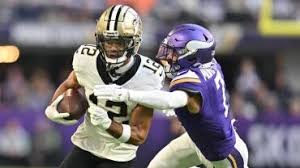
Who Is the Highest-Paid Center (C) in the NFL?
When it comes to building a successful NFL offense, most of the spotlight shines on quarterbacks and wide receivers but the center is often the unsung hero. This position requires intelligence, power, and leadership, as the center anchors the offensive line, reads defenses, and calls out blocking schemes. In 2025, elite centers are finally getting the paychecks they deserve.
As of the 2025 season, the highest-paid center in the NFL is Frank Ragnow of the Detroit Lions. Ragnow signed a massive contract extension that averages around $14 million per year, cementing his status as one of the best interior linemen in football. His combination of power, technique, and leadership has made him the cornerstone of Detroit’s offensive resurgence.
Close behind him are other top earners like Corey Linsley (Chargers), Ryan Kelly (Colts), and Creed Humphrey (Chiefs). Humphrey, still on his rookie deal, is expected to command an even larger contract soon possibly surpassing Ragnow’s record-setting deal once he hits free agency.
Here’s a quick look at the top-paid centers in 2025:
| Player | Team | Average Annual Salary | Contract Details |
|---|---|---|---|
| Frank Ragnow | Detroit Lions | $14M | 4 years, $56M |
| Corey Linsley | Los Angeles Chargers | $12.5M | 5 years, $62.5M |
| Ryan Kelly | Indianapolis Colts | $12.4M | 4 years, $50M |
| Creed Humphrey | Kansas City Chiefs | $11.8M* | Extension Expected (2026) |
| Tyler Biadasz | Washington Commanders | $10.8M | 3 years, $32M |
(Projected based on extension negotiations)
Centers may not grab headlines, but in the trenches, they make or break offenses. Think of them as the quarterback of the offensive line they direct traffic, protect the most important player on the field, and ensure every play starts smoothly. As offensive schemes become more complex, the value of elite centers continues to rise.
In 2025, expect more teams to invest heavily in this position. With offensive lines being the foundation of both protection and run blocking, centers like Ragnow prove that sometimes the most important players are the ones who touch the ball before the quarterback does.
Who Is the NFL’s Richest Owner?
Money runs the NFL as much as talent does, and in 2025, the league’s ownership class is wealthier than ever. From oil moguls to real estate tycoons and tech billionaires, these individuals not only control teams but shape the future of the sport itself.
As of 2025, the richest NFL owner is Rob Walton, owner of the Denver Broncos, with an estimated net worth of over $80 billion. Walton, heir to the Walmart fortune, purchased the Broncos in 2022 for a record-breaking $4.65 billion the most expensive team sale in NFL history. His financial might gives Denver unmatched resources in facilities, player development, and marketing.
Following Walton, other wealthy owners dominate the league’s power structure:
| Owner | Team | Estimated Net Worth (2025) | Primary Source of Wealth |
|---|---|---|---|
| Rob Walton | Denver Broncos | $80B | Walmart heir |
| David Tepper | Carolina Panthers | $20B | Hedge funds (Appaloosa Management) |
| Jerry Jones | Dallas Cowboys | $17B | Oil & investments |
| Stan Kroenke | Los Angeles Rams | $15B | Real estate & sports empire |
| Shahid Khan | Jacksonville Jaguars | $13B | Auto parts manufacturing |
Rob Walton’s wealth far exceeds any other NFL owner, giving him the financial leverage to keep Denver among the league’s elite. However, Jerry Jones remains the most influential owner his Cowboys are valued at over $10 billion, making them the most valuable sports franchise in the world.
The combination of financial power and business acumen among NFL owners ensures that the league continues to dominate as America’s most profitable sports enterprise. These billionaires not only fund teams they shape policies, TV deals, and even global expansion strategies.Newsusas
Do Any NFL Owners Own 100% of Their Team?
In a league where most ownership groups include multiple investors, it’s rare for one person to hold 100% ownership of an NFL team. However, there are a few exceptions where individuals have complete control without minority partners.
One notable example is Shahid Khan, the owner of the Jacksonville Jaguars. Khan owns 100% of the franchise, giving him full authority over team operations, finances, and strategic decisions. His ownership has been pivotal in the Jaguars’ branding, including their international growth with regular games in London.
Another near-full owner is Jerry Jones of the Dallas Cowboys. While technically not 100%, Jones maintains over 90% ownership, effectively giving him full control of the franchise. He’s been the driving force behind the Cowboys’ rise to global sports prominence, including the construction of AT&T Stadium and the team’s media empire.
Here are some of the most independent owners in the NFL:
| Owner | Team | Ownership Stake |
|---|---|---|
| Shahid Khan | Jacksonville Jaguars | 100% |
| Jerry Jones | Dallas Cowboys | 90%+ |
| Robert Kraft | New England Patriots | 100% |
| Rob Walton | Denver Broncos | 100% |
| Stan Kroenke | Los Angeles Rams | 100% |
Owning 100% of a team offers freedom but comes with immense financial responsibility. With franchise values surpassing $6 billion, it takes generational wealth and business acumen to own a team outright. These owners don’t just manage football clubs they run global sports enterprises that influence television, merchandising, and even community development.
Who Was the First Black NFL Owner?
The honor of being the first Black owner in NFL history belongs to Fritz Pollard, though in a slightly different context. Pollard wasn’t an owner in the traditional franchise sense but was one of the first African American coaches and team co-founders during the early days of professional football in the 1920s. He broke barriers not just on the field but in executive leadership, setting the stage for future generations.
However, the first modern-era Black majority owner of an NFL team is Shahid Khan, who became owner of the Jacksonville Jaguars in 2011. Although Khan was born in Pakistan and is often recognized as the first non-white owner, he paved the way for greater diversity in NFL ownership.
In 2022, Melody Hobson, co-CEO of Ariel Investments and wife of Star Wars creator George Lucas, became the first Black woman to hold an ownership stake in an NFL team, joining the Denver Broncos ownership group.
Diversity among NFL owners remains limited, but progress continues. The league’s new Diversity in Ownership initiative aims to increase minority and female participation in ownership groups by lowering investment thresholds and creating mentorship programs.
Representation at the ownership level matters influences hiring practices, community outreach, and league culture. The NFL is slowly evolving, but the foundation laid by pioneers like Pollard and Khan continues to inspire future leaders.
What Would Babe Ruth’s Salary Be Today?
Babe Ruth, one of the most legendary figures in sports history, dominated baseball in the 1920s and 1930s. His charisma, talent, and marketability made him the highest-paid athlete of his time. But have you ever wondered what his salary would look like in today’s sports economy especially compared to NFL stars?
In 1930, Babe Ruth earned $80,000 per year from the New York Yankees, a jaw-dropping sum back then. Adjusted for inflation, that equals roughly $1.4 million in 2025 dollars. However, when you factor in how much modern sports salaries have grown especially through TV deals, endorsements, and league revenue sharing Ruth’s value would likely be well over $50 million per year today.
For context:
The NFL’s top quarterbacks (like Patrick Mahomes and Joe Burrow) earn around $55 million annually.
MLB’s highest-paid player, Shohei Ohtani, makes over $70 million annually with endorsements included.
Given Ruth’s cultural impact, global fame, and merchandising potential, he would easily rival or surpass those figures. Imagine “The Bambino” with modern social media, sponsorships, and streaming rights he’d be a marketing juggernaut.
In short, if Babe Ruth played in 2025, he’d likely be one of the highest-paid athletes in the world, sitting alongside names like Mahomes, Messi, and LeBron. His bat, swagger, and star power would have made him the face of not just baseball but global sports entertainment.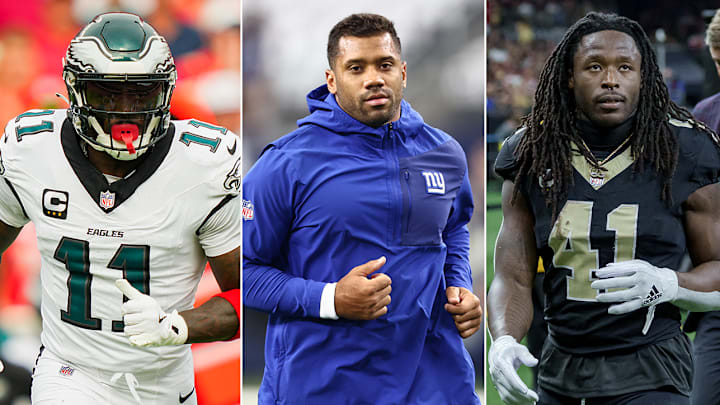
Predictions and Expert Insights for the 2025 NFL Trade Deadline
As the 2025 NFL trade deadline approaches, insiders and analysts are buzzing with predictions. Some believe this year could rival the busiest trade seasons in league history, while others expect front offices to be more conservative due to tight salary cap situations. Either way, the stage is set for an explosive end to October.
So, what should fans expect? Let’s explore key predictions and expert insights shaping the trade landscape.
Quarterback Carousel: Expect Movement
The quarterback position will once again dominate the headlines. Insiders suggest that Justin Fields, Kirk Cousins, and potentially Mac Jones could be moved before the deadline. Fields’ athleticism remains intriguing to quarterback-needy teams, while Cousins continues to be viewed as the ultimate “win-now” veteran. Expect the Raiders, Commanders, and Falcons to be active in the QB market.
Analysts also believe a surprise quarterback someone like Ryan Tannehill or Jameis Winston could find a new home as a backup insurance policy for a playoff contender. The logic is simple: no team wants to see its season derailed by an injury to the starting quarterback.
Wide Receiver Market Will Explode
Receivers are the currency of the modern NFL. Teams struggling offensively like the Jets, Browns, and Bills could look to add star pass-catchers to boost scoring output. Tee Higgins and Davante Adams top the list of available talents, and insiders suggest that at least one blockbuster receiver deal will be completed.
You can expect playoff hopefuls to be aggressive. In particular, the Cowboys and Lions are rumored to be exploring trade options to add one more offensive weapon before the postseason push.
Defensive Stars on the Move
Defensively, expect movement among pass rushers and cornerbacks. Brian Burns (Panthers) and Patrick Surtain II (Broncos) have drawn significant interest from contenders. While both players are under contract, their teams might entertain offers if the return includes multiple first-round picks.
The 49ers, Ravens, and Bengals are among teams expected to inquire about defensive reinforcements. A well-timed trade could swing playoff momentum just like the Rams’ 2021 acquisition of Von Miller.
Cap Management Will Limit Big Deals
Despite the excitement, the 2025 salary cap constraints are real. Many teams are pushing close to the spending limit, which makes massive contracts harder to move midseason. Expect creative deals involving contract restructuring or teams agreeing to absorb portions of salaries to make trades possible.
GM insiders predict that contending teams will prioritize short-term rental players those in the final year of their contracts since they can be released or renegotiated in 2026.
Final Predictions: Who Makes the Biggest Splash?
Experts predict that the Buffalo Bills will make the most aggressive move at the 2025 deadline. After years of playoff heartbreak, Buffalo is under pressure to win now. Rumor has it they’re eyeing a top receiver to pair with Josh Allen possibly Tee Higgins or D.K. Metcalf.
The Dallas Cowboys are another team to watch. With Jerry Jones still chasing another Lombardi Trophy, Dallas could go all-in for a veteran running back or defensive playmaker.
The 2025 trade deadline won’t just be about players it will define legacies. A single trade could elevate a team to championship glory or haunt it for years.
How the Trade Deadline Impacts Playoff Races
The trade deadline doesn’t just shuffle rosters it reshapes the entire playoff landscape. Teams that make bold moves often gain an instant competitive advantage, while those that hesitate risk falling behind. History proves it: trades made in late October often decide who’s still playing in January.
Momentum and Morale
For contenders, landing a key player can reignite locker-room energy. It sends a clear message from management: “We’re all in.” That emotional boost can inspire stronger performances down the stretch. Think of how the Rams responded after acquiring Von Miller they rallied all the way to a Super Bowl victory.
For struggling teams, selling veterans can be bittersweet but necessary. By trading players for future draft picks, they set themselves up for long-term success. While fans may be disappointed in the short term, these moves often pay off in future seasons.
Depth Wins Championships
The NFL season is a marathon, not a sprint. Injuries are inevitable, and depth becomes crucial during the playoff push. Smart general managers use the deadline to fortify key positions especially offensive line, cornerback, and pass rusher.
Teams like the Chiefs and 49ers have shown how adding depth at the right time can be the difference between a playoff exit and a Lombardi Trophy. The 2025 contenders who make the right trade could find themselves holding the ultimate prize in February.
Divisional Implications
The deadline can also shift the balance of power within divisions. For example, if the Jets acquire a top receiver while the Dolphins stay quiet, it could swing the AFC East race. Similarly, a key trade by the Lions or Packers might determine who takes the NFC North crown.
Every trade creates ripple effects. One team’s boldness becomes another’s pressure point. Fans often underestimate how much these moves influence postseason seeding and even wildcard tiebreakers.
In essence, the trade deadline isn’t just about player movement it’s about competitive evolution. Teams evolve, adapt, and redefine their identity for the stretch run. That’s why fans love it and why front offices live for it.
Conclusion: What to Expect as the 2025 NFL Trade Deadline Nears
The 2025 NFL trade deadline promises to be one of the most unpredictable in recent memory. With superstar names floating in rumors, salary caps tightening, and playoff dreams hanging in the balance, every move will carry immense weight. Whether it’s a blockbuster quarterback deal or a sneaky depth addition, every transaction will shape the story of the season.
Fans should prepare for surprises. Expect at least one shocking move perhaps a big-name receiver or a defensive anchor switching teams. Some franchises will swing for the fences; others will quietly position themselves for the future.
As always, remember: in the NFL, fortune favors the bold. The next Super Bowl champion might just be the team that takes a risk before October 28, 2025.
FAQs
1. When is the NFL trade deadline in 2025?
The NFL trade deadline will likely fall on Tuesday, October 28, 2025, at 4:00 PM ET, following Week 8 of the season.
2. Can an NFL player refuse a trade?
Only if their contract includes a no-trade clause. Otherwise, trades are mandatory once approved by the league.
3. Who is the highest-paid center in the NFL?
Frank Ragnow of the Detroit Lions currently holds that title, earning about $14 million per year.
4. Who was the first Black NFL owner?
While Fritz Pollard was an early pioneer, Shahid Khan became the first modern-era non-white majority owner when he purchased the Jacksonville Jaguars in 2011.
5. What’s the biggest NFL trade deadline deal ever?
The Christian McCaffrey trade to the 49ers in 2022 remains one of the most impactful, immediately boosting San Francisco’s Super Bowl hopes.