


Table of Contents
ToggleU.S. School Immunization Levels: Check Your School
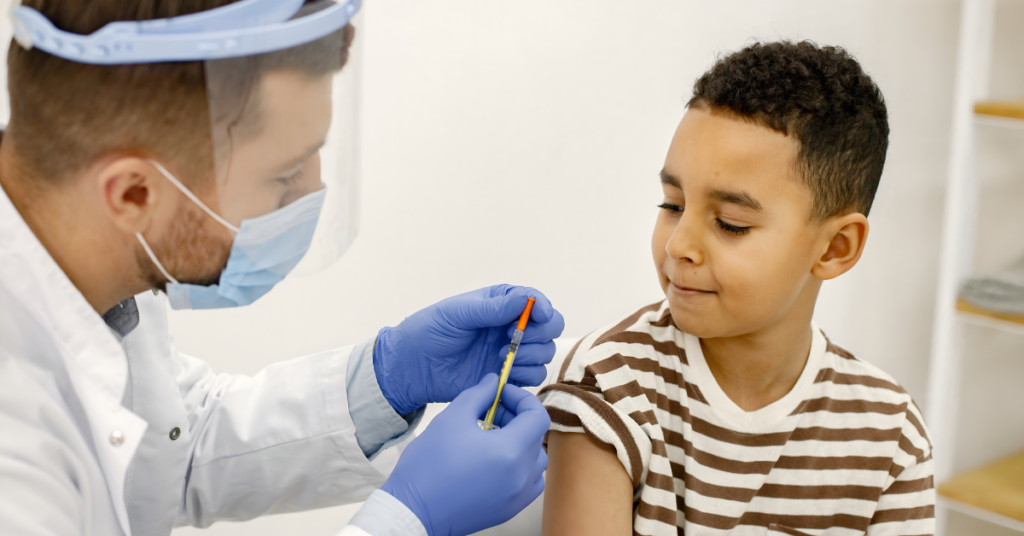
When you hear the phrase school immunization levels, it might sound like dry public health jargon. But in reality, this data affects real classrooms, real kids, and real families every single day. Whether you’re a parent deciding where to enroll your child, a teacher concerned about classroom safety, or a community member who cares about public health, understanding U.S. school immunization levels is not optional anymore it’s essential. Immunization coverage in schools acts like a safety net. When it’s strong, outbreaks struggle to gain traction. When it weakens, preventable diseases find opportunities to spread. Checking your school’s immunization levels is one of the simplest yet most powerful steps you can take to protect not just your child, but everyone they interact with.
Across the United States, immunization requirements exist to maintain a baseline level of protection against diseases like measles, whooping cough, and polio. Yet, recent years have shown that compliance is uneven. Some schools boast near-perfect vaccination rates, while others quietly fall below herd immunity thresholds. These differences matter. A single under-immunized school can become the epicenter of an outbreak that ripples through an entire community. That’s why transparency and awareness are critical. Knowing how to check your school’s immunization levels and understanding what those numbers actually mean puts power back into the hands of families.
This guide breaks down everything you need to know in plain, human language. No scare tactics. No medical lectures. Just clear, practical information to help you make informed decisions. Let’s start by unpacking what school immunization levels really mean and why they’re tracked so closely in the United States.
Understanding School Immunization in the United States
School immunization in the U.S. is not a random or informal process. It’s a structured public health system designed to protect children during their most socially active years. When kids gather in classrooms, cafeterias, buses, and playgrounds, germs get a free ride. Vaccines act like invisible armor, reducing the chance that these germs can do real damage. Immunization levels measure how strong that armor is within a specific school population.
At its core, a school’s immunization level reflects the percentage of enrolled students who are vaccinated according to state requirements. These requirements are typically based on recommendations from the Centers for Disease Control and Prevention (CDC), but each state has the authority to adapt them. Schools are required to collect immunization records at enrollment and update them as students progress through grade levels. This data is then reported to state or local health departments, creating a snapshot of protection within each school.
What makes this system so important is its preventative nature. It’s not about reacting to outbreaks after they happen; it’s about stopping them before they start. High immunization levels reduce the likelihood that a contagious disease can spread widely. Even students who cannot be vaccinated for medical reasons benefit from this collective protection. In that sense, school immunization isn’t just a personal health choice it’s a shared responsibility.
However, understanding these numbers requires context. A school reporting a 92% vaccination rate might sound impressive, but for highly contagious diseases like measles, that may not be enough. This is where the concept of herd immunity enters the picture, and why public health officials pay such close attention to school-level data instead of just statewide averages.
What School Immunization Levels Really Mean
Immunization levels are more than just percentages on a spreadsheet. They represent real-world risk or safety within a school environment. When a school reports its immunization level, it’s essentially answering one critical question: How vulnerable are our students to preventable diseases?
For example, measles is one of the most contagious diseases known. To prevent outbreaks, about 95% of a population needs to be vaccinated. If a school’s MMR (measles, mumps, rubella) coverage drops below that threshold, even by a few percentage points, the risk of an outbreak increases significantly. That’s why public health experts don’t just look for “high” numbers they look for sufficient numbers.
Another important detail is that immunization levels often include exemptions. Students may be exempt for medical reasons, religious beliefs, or philosophical objections, depending on state law. While exemptions are legally permitted, high exemption rates can weaken overall protection. A school with a high exemption rate may technically comply with reporting requirements, yet still pose a higher public health risk.
It’s also worth noting that immunization data is usually reported annually. This means the numbers reflect a moment in time, not a constantly updated dashboard. Changes in enrollment, delayed vaccinations, or new exemptions can shift a school’s risk profile quickly. That’s why parents and guardians should view immunization levels as a conversation starter, not a final verdict.
Why Immunization Data Is Tracked at the School Level
Tracking immunization data at the school level allows health officials to identify pockets of vulnerability before they become crises. Statewide averages can hide local problems. A state might report a 94% vaccination rate overall, but that number could mask individual schools sitting at 80% or lower. Disease outbreaks don’t care about averages they spread where defenses are weakest.
School-level tracking also supports targeted interventions. If a specific school or district shows declining immunization rates, health departments can step in with education campaigns, vaccination clinics, or policy reviews. This focused approach is far more effective than broad, one-size-fits-all strategies.
From a parent’s perspective, school-level data offers transparency. It allows families to assess risk, ask informed questions, and advocate for safer environments. In an era where trust in institutions can be shaky, access to clear immunization data builds confidence and accountability. Simply put, when you can check your school’s immunization levels, you’re not just reading numbers you’re gaining insight into how seriously student health is being protected.
Herd Immunity Explained in Simple Terms
Herd immunity sounds technical, but the idea is surprisingly simple. Imagine a rainstorm and a group of people standing close together with umbrellas. If most people have umbrellas, everyone stays relatively dry even those without one. But if too many umbrellas disappear, everyone starts getting soaked. Vaccines work the same way.
Herd immunity occurs when enough people in a group are immune to a disease that its spread becomes unlikely. The exact percentage needed depends on how contagious the disease is. For measles, it’s around 95%. For other diseases, it may be slightly lower. Schools aim to meet or exceed these thresholds to keep everyone safe.
When a school falls below herd immunity levels, outbreaks don’t just become possible they become probable. That’s why checking immunization rates isn’t alarmist; it’s practical. It’s about understanding whether your child’s environment has enough “umbrellas” to weather the storm.
Key Vaccines Required for U.S. Schools
Vaccination requirements for U.S. schools are built around protecting students from diseases that are both dangerous and highly contagious. While exact requirements vary by state, there is a core group of vaccines that almost every school requires. These vaccines have decades of data behind them and are proven to significantly reduce illness, hospitalization, and death among children.
The most commonly required vaccines include MMR (measles, mumps, rubella), DTaP (diphtheria, tetanus, pertussis), polio, and varicella (chickenpox). Some states also require hepatitis B and meningococcal vaccines, especially for middle and high school students. These requirements are not arbitrary they are based on epidemiological data showing where risks are highest in school-aged populations.
Schools typically require proof of vaccination at enrollment and at certain grade milestones. This ensures that protection keeps pace with a child’s development and exposure risks. While the paperwork can feel tedious, it plays a crucial role in maintaining accurate immunization records and preventing lapses in coverage.
Understanding which vaccines are required and why helps parents see the bigger picture. These aren’t just boxes to check; they’re layers of protection that work together to keep schools safe.
State-by-State Variations in Vaccine Requirements
While federal agencies provide guidance, states set their own school immunization requirements. This means that what’s required in California may differ slightly from what’s required in Texas or New York. Some states have stricter enforcement, while others allow broader exemptions.
These variations can affect immunization levels significantly. States with tighter exemption policies tend to have higher vaccination rates and fewer outbreaks. Understanding your state’s requirements and how strictly they’re enforced can give you additional insight into your school’s immunization data.
Why School Immunization Levels Matter More Than Ever
If school immunization levels were just another statistic, they wouldn’t get nearly as much attention as they do. But they matter deeply, urgently, and more now than at any point in recent history. Schools are one of the few places where large groups of children gather consistently, indoors, for long periods. That makes them perfect environments for contagious diseases to spread if protections aren’t strong enough. Immunization levels act like a firewall. When the firewall is solid, outbreaks fizzle out. When it’s full of gaps, diseases slip through.
In recent years, several factors have increased concern around school immunization coverage. Vaccine hesitancy, misinformation, pandemic-related disruptions, and administrative delays have all played a role in lowering vaccination rates in some communities. Even a small dip can have outsized consequences. Diseases like measles don’t need much room to spread just one infected person in an under-immunized school can trigger dozens of cases in days.
Herd Immunity Explained in Simple Terms
Herd immunity sounds technical, but the idea is surprisingly simple. Imagine a rainstorm and a group of people standing close together with umbrellas. If most people have umbrellas, everyone stays relatively dry even those without one. But if too many umbrellas disappear, everyone starts getting soaked. Vaccines work the same way.
Herd immunity occurs when enough people in a group are immune to a disease that its spread becomes unlikely. The exact percentage needed depends on how contagious the disease is. For measles, it’s around 95%. For other diseases, it may be slightly lower. Schools aim to meet or exceed these thresholds to keep everyone safe.
Key Vaccines Required for U.S. Schools
Vaccination requirements for U.S. schools are built around protecting students from diseases that are both dangerous and highly contagious. While exact requirements vary by state, there is a core group of vaccines that almost every school requires. These vaccines have decades of data behind them and are proven to significantly reduce illness, hospitalization, and death among children.
The most commonly required vaccines include MMR (measles, mumps, rubella), DTaP (diphtheria, tetanus, pertussis), polio, and varicella (chickenpox). Some states also require hepatitis B and meningococcal vaccines, especially for middle and high school students. These requirements are not arbitrary they are based on epidemiological data showing where risks are highest in school-aged populations.
State-by-State Variations in Vaccine Requirements
While federal agencies provide guidance, states set their own school immunization requirements. This means that what’s required in California may differ slightly from what’s required in Texas or New York. Some states have stricter enforcement, while others allow broader exemptions.
The Role of Parents in School Immunization
Parents play a far bigger role in school immunization levels than many realize. While policies and schools set the framework, it’s parental action or inaction that ultimately determines how strong a school’s protection really is. Every vaccination decision contributes to a collective outcome. When parents stay informed, ask questions, and follow through on recommended schedules, immunization levels remain strong. When confusion, delay, or misinformation creeps in, gaps begin to form.
One of the most important roles parents play is record-keeping. Schools rely on families to provide accurate, up-to-date immunization documentation. Missed forms, outdated records, or incomplete schedules can make a school’s coverage appear lower than it actually is or worse, allow real vulnerabilities to go unnoticed. Staying organized and proactive helps schools maintain accurate data and respond quickly if issues arise.
Making Informed Decisions for Your Child
Making informed decisions starts with understanding the science, the risks, and the benefits without panic or pressure. Vaccines used in schools undergo rigorous testing and ongoing monitoring. Serious side effects are rare, while the consequences of outbreaks can be severe. Knowing this helps parents weigh decisions with clarity rather than fear.
How to Talk to Schools About Immunization Data
Approaching schools about immunization data doesn’t need to be confrontational. A respectful, curious tone goes a long way. Asking questions like, “Can you share the school’s current immunization rates?” or “How does the school handle exemptions?” opens productive dialogue.
How Schools Collect and Report Immunization Data
Behind every immunization percentage is a significant amount of administrative work. Schools are responsible for collecting vaccination records, verifying compliance, tracking exemptions, and reporting data to health authorities. This process requires coordination between families, healthcare providers, and government agencies.
Typically, immunization records are collected at enrollment and reviewed periodically. Schools may use paper forms, digital systems, or state immunization registries to manage this information. Accuracy is critical, as errors can distort reported rates and mask real risks.
Administrative and Legal Responsibilities
Schools operate under legal mandates to enforce immunization requirements. Failure to comply can result in penalties or increased oversight. Administrators must balance these responsibilities with sensitivity to family concerns and privacy laws.
Low Immunization Levels: Risks and Consequences
Low immunization levels aren’t just theoretical risks they have real, measurable consequences. Schools with insufficient coverage are more likely to experience outbreaks of preventable diseases. These outbreaks disrupt learning, strain families, and burden healthcare systems.
Outbreaks Linked to Under-Immunized Schools
History offers clear examples. Measles outbreaks in recent years have frequently been traced back to schools or communities with low vaccination coverage. These outbreaks spread quickly, even reaching individuals who were vaccinated but not fully protected.
The lesson is consistent: where immunization gaps exist, diseases exploit them. High coverage isn’t just a goal it’s a necessity.
Real-World Case Studies from the U.S.
Case studies show that schools with proactive policies and high transparency recover faster from outbreaks. Those with delayed responses or unclear communication often face prolonged disruptions. These stories reinforce the value of prevention over reaction.
How Schools Can Improve Immunization Coverage
Improving immunization coverage isn’t about punishment it’s about support, education, and access. Schools that succeed focus on collaboration rather than enforcement alone.Clear communication is a cornerstone. When schools explain requirements, deadlines, and the reasons behind them, families are more likely to comply. Reminders, multilingual materials, and easy-to-follow instructions make a significant difference.Financialeage
Technology and Immunization Tracking
Technology has transformed how immunization data is tracked and shared. Digital registries reduce errors, streamline reporting, and improve transparency. Many states now use centralized systems that allow schools and healthcare providers to update records in real time.
For parents, these systems offer convenience. Lost paper records are no longer a barrier, and updates happen faster. For schools, digital tools free up staff time and improve data accuracy.
Digital Immunization Registries
Digital registries link schools, clinics, and health departments. This integration ensures consistency and reduces duplication. When systems work well, everyone benefits from administrators to families.
How Technology Improves Transparency
Transparency builds trust. When immunization data is accessible and reliable, parents feel more confident in their school’s safety measures. Technology makes this transparency possible at scale.
Equity and Access in School Immunization
Not all communities face the same challenges. Access barriers such as transportation, clinic availability, and language differences can affect immunization levels. Addressing these disparities is essential for equitable protection.
Schools serving underserved communities often need additional support. Tailored outreach, flexible clinic hours, and culturally appropriate communication help close gaps.
Barriers Faced by Underserved Communities
Economic constraints, healthcare shortages, and misinformation disproportionately affect certain communities. Recognizing these barriers is the first step toward solutions.
Closing the Immunization Gap
Closing the gap requires collaboration between schools, health departments, and community organizations. When resources are aligned, immunization levels improve across the board.
What to Do If Your School Has Low Immunization Rates
Discovering that your school has low immunization rates can be unsettling, but it’s not a dead end. There are constructive steps parents can take to advocate for change.
Start by engaging with school leadership. Ask what steps are being taken and how families can help. Collaboration often leads to faster improvements than confrontation.
Steps Parents Can Take Immediately
Parents can encourage vaccination, share credible information, and support school initiatives. Collective action amplifies impact.
Advocating for Safer School Environments
Advocacy can take many forms, from PTA involvement to community partnerships. Every effort contributes to safer schools.
The Future of School Immunization in the U.S.
The future of school immunization will be shaped by policy, technology, and community engagement. Trends point toward more digital tracking, greater transparency, and targeted outreach.
Public health goals remain clear: maintain high coverage, reduce disparities, and prevent outbreaks before they start.
Policy Trends and Public Health Goals
States continue to refine exemption policies and reporting systems. These changes aim to strengthen protection while respecting legal frameworks.
What Parents and Educators Should Expect
Expect more data, more communication, and more opportunities to engage. The future depends on shared responsibility.
Conclusion
School immunization levels are more than numbers they’re a measure of how well we protect our children and communities. By understanding the data, asking questions, and staying engaged, parents and schools can work together to create safer learning environments. Checking your school’s immunization levels is a simple step with powerful impact.
FAQs
1. Are school immunization records public?
In most states, summary data is publicly available through health departments or school reports.
2. What is a safe immunization level for schools?
It depends on the disease, but many require 90–95% coverage to maintain herd immunity.
3. Can schools deny enrollment for missing vaccines?
Yes, unless a valid exemption is provided under state law.
4. How often are immunization levels updated?
Typically once per year, though some systems update more frequently.
5. What should I do if I’m concerned about exemptions at my school?
Speak with school administrators and review state exemption policies to understand the context.