


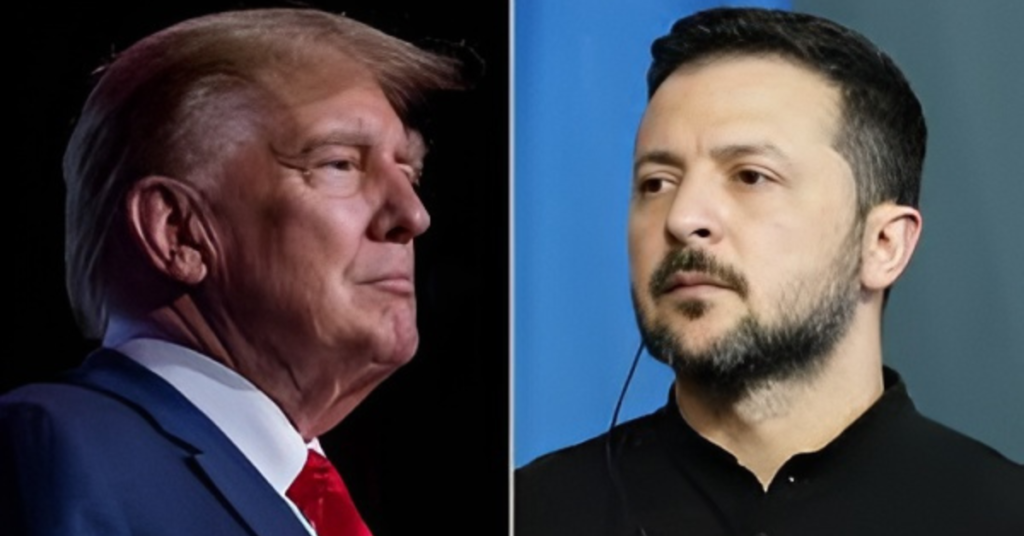
Trump’s Ukraine Plan Faces Russia Rift
Introduction: A High-Stakes Plan in a Fractured World
When it comes to global politics, few issues are as emotionally charged and strategically complex as Ukraine. Now add Donald Trump’s Ukraine plan into the mix, and you’ve got a geopolitical pressure cooker ready to boil over. The phrase “Trump’s Ukraine Plan Faces Russia Rift” isn’t just a headline it’s a snapshot of a deeply divided international landscape where every move feels like a chess match played with live ammunition.
Trump’s approach to Ukraine has always sparked debate. Supporters call it pragmatic, even bold. Critics see it as risky, unpredictable, and dangerously dismissive of long-standing alliances. What makes this moment especially volatile is Russia’s reaction. Moscow hasn’t just raised an eyebrow; it has drawn a clear line in the sand. The resulting rift isn’t symbolic it has real-world consequences for security, diplomacy, and global stability.
This isn’t happening in a vacuum. The war in Ukraine has already reshaped alliances, drained economies, and redrawn the mental map of global power. Trump’s plan enters this environment like a new rulebook dropped mid-game. Can it reset the conflict, or does it deepen the divide with Russia? That’s the question policymakers, analysts, and everyday citizens are asking.
In this article, we’ll unpack Trump’s Ukraine plan, explore why Russia is pushing back so hard, and analyze what this rift means for Ukraine, Europe, and the world. Think of it as peeling an onion layer by layer, sometimes uncomfortable, but necessary if you want to understand the whole picture.
Understanding Trump’s Ukraine Plan
Trump’s Ukraine plan isn’t a single document neatly tied with a ribbon. It’s more like a collection of ideas, statements, and strategic signals that reflect his broader worldview. At its core, the plan emphasizes negotiation over prolonged conflict, burden-sharing over unilateral commitments, and American interests above all else. Sounds simple, right? In reality, it’s anything but.
The Core Objectives Behind the Proposal
The primary objective of Trump’s Ukraine plan is to end the war or at least de-escalate it through direct negotiation. Trump has repeatedly suggested that the conflict could be resolved quickly if the right deal-makers were involved. His confidence is unmistakable, almost theatrical, but it resonates with those exhausted by endless warfare and spiraling costs.
Another key goal is reducing America’s financial and military burden. Trump has consistently questioned why the US shoulders such a large share of Ukraine’s defense while European nations, many closer geographically, contribute less. This isn’t just budget talk; it’s a philosophical stance rooted in transactional diplomacy. Help is offered, but it comes with expectations.
Finally, Trump’s plan aims to recalibrate US-Russia relations. Rather than isolating Moscow indefinitely, he appears open to engagement, believing that dialogue even with adversaries is preferable to perpetual hostility. This approach, however, is exactly what alarms critics and emboldens Russia’s skepticism.
How It Differs From Previous US Ukraine Strategies
Traditional US policy toward Ukraine has focused on strong military backing, firm sanctions against Russia, and unwavering support for NATO expansion. Trump’s plan diverges sharply. Instead of doubling down on pressure, it hints at compromise. Instead of emphasizing alliance unity at all costs, it questions whether those alliances serve US interests as currently structured.
This shift feels like swapping a shield for a handshake. For some, that’s refreshing realism. For others, it’s a dangerous gamble that could legitimize aggression. Either way, it marks a clear departure from the status quo and that’s precisely why Russia, Ukraine, and US allies are watching every word so closely.
The Geopolitical Backdrop of the Ukraine Conflict
To understand why Trump’s Ukraine plan faces a Russia rift, you need to step back and look at the bigger picture. This conflict didn’t start yesterday, and it certainly didn’t start with Trump. It’s the result of decades of tension, mistrust, and clashing visions of regional order.
A Brief History of Russia–Ukraine Relations
Ukraine and Russia share centuries of intertwined history, culture, and conflict. After the collapse of the Soviet Union, Ukraine emerged as an independent state, but its path was anything but smooth. Russia never fully accepted Ukraine’s westward drift, especially its growing ties with Europe and NATO.
The annexation of Crimea in 2014 marked a turning point. It shattered post–Cold War assumptions about European security and set the stage for ongoing conflict in eastern Ukraine. Since then, relations have been defined by suspicion, sanctions, and sporadic violence conditions that make any peace plan incredibly fragile.
Why Ukraine Sits at the Center of Global Power Politics
Ukraine isn’t just another country caught in a regional dispute. It’s a strategic linchpin. Geographically, it serves as a buffer between Russia and NATO. Economically, it’s a key transit route for energy. Politically, it symbolizes the struggle between democratic alignment and authoritarian influence.
That’s why every proposal, including Trump’s Ukraine plan, reverberates far beyond Kyiv and Moscow. Decisions made here affect global norms about sovereignty, borders, and the use of force. In short, Ukraine is where local conflict meets global consequence.
Russia’s Immediate Response to Trump’s Ukraine Plan
Russia didn’t waste time responding to Trump’s Ukraine plan. While official statements were measured, the underlying message was clear: Moscow is wary, skeptical, and prepared to resist anything it perceives as threatening its interests.Financialeage
Official Kremlin Reactions and Signals
The Kremlin’s initial reaction combined cautious optimism with firm red lines. Russian officials expressed openness to dialogue but emphasized that any plan must recognize “realities on the ground” a phrase often interpreted as tacit recognition of Russian territorial gains.
This conditional openness is strategic. It allows Russia to appear reasonable while maintaining leverage. Accept talks, yes but only on terms that validate its actions. From Moscow’s perspective, Trump’s plan risks reopening debates Russia believes it has already settled by force.
Russian Media Narratives and Public Messaging
State-controlled Russian media painted Trump’s Ukraine plan as proof of Western fatigue. Commentators framed it as an acknowledgment that previous strategies failed and that Russia’s resilience paid off. This narrative serves two purposes: bolstering domestic support and pressuring Ukraine and its allies.
At the same time, skepticism runs deep. Russian analysts question whether Trump could deliver on any promises given US political divisions. For Moscow, the plan is both an opportunity and a trap a potential opening shadowed by distrust.
The Russia Rift: Why Moscow Pushes Back
At the heart of the headline “Trump’s Ukraine Plan Faces Russia Rift” lies a simple but uncomfortable truth: Russia and the United States are operating from fundamentally different worldviews. Trump’s proposal, no matter how pragmatic it may sound on the surface, collides head-on with Moscow’s long-standing security doctrine and regional ambitions. This rift isn’t driven by personality alone it’s structural, strategic, and deeply ingrained.
Security Concerns and NATO Expansion Fears
For Russia, NATO is not just a defensive alliance; it is perceived as a creeping threat. Since the end of the Cold War, NATO’s eastward expansion has been a sore point for Moscow. Each new member closer to Russia’s borders feels, in Kremlin thinking, like a tightening noose. Ukraine’s potential alignment with NATO represents the ultimate red line.
Trump’s Ukraine plan, even if framed around negotiation, does not fully address these fears. Any plan that keeps the door open for NATO involvement or even fails to explicitly close it will face resistance from Russia. From Moscow’s perspective, security is non-negotiable. It views Ukraine not as a neutral neighbor, but as a strategic buffer zone essential to its national defense.
This fear isn’t just military; it’s psychological. Russia’s historical invasions from the West have left a lasting imprint on its strategic culture. So when Trump speaks of deals and compromises without firmly redefining NATO’s role, Moscow hears uncertainty, not reassurance.
Sovereignty, Influence, and Regional Control
Beyond security, Russia’s pushback is about influence. Ukraine represents a symbolic and practical battleground over who shapes Eastern Europe’s future. Allowing Ukraine to fully slip into the Western orbit would signal a dramatic loss of Russian influence a scenario the Kremlin is determined to avoid.
Trump’s plan, by potentially legitimizing negotiations over territory or autonomy, raises alarms in Moscow. Russia worries that any agreement could later be reversed or reinterpreted under a different US administration. This lack of long-term trust fuels the rift and reinforces Russia’s preference for hard power over diplomatic ambiguity.
Ukraine’s Perspective on Trump’s Proposal
While global headlines often focus on Washington and Moscow, Ukraine itself is far from a passive observer. Kyiv views Trump’s Ukraine plan through the lens of survival, sovereignty, and political reality. For Ukrainian leaders, every proposal carries existential weight.
Kyiv’s Strategic Calculations
Ukraine wants peace but not at any price. Trump’s emphasis on rapid negotiation raises fears that Ukraine could be pressured into concessions that undermine its territorial integrity. Land, after all, isn’t just geography; it’s identity, resources, and future security.
At the same time, Ukrainian officials recognize the risk of donor fatigue in the West. Military aid, economic support, and diplomatic backing cannot be taken for granted indefinitely. Trump’s plan forces Kyiv to consider uncomfortable questions: What compromises are acceptable? How much autonomy is too much? Can peace coexist with justice?
Ukraine must walk a tightrope, balancing gratitude for US support with resistance to any deal that smells like imposed settlement.
Domestic Political Pressures in Ukraine
Inside Ukraine, public opinion matters. Years of war have hardened attitudes against Russia. Any leader seen as conceding too much risks political backlash or worse. Trump’s plan, if perceived as favoring Russia, could destabilize Ukraine internally.
This domestic pressure limits Kyiv’s negotiating flexibility. Even if certain compromises might end the conflict, leaders must ensure they don’t lose the trust of their people. In this sense, the Russia rift isn’t just international it’s deeply personal for millions of Ukrainians.
The Role of NATO in Trump’s Ukraine Plan
NATO is the elephant in the room. You can’t talk about Ukraine without talking about NATO, and you can’t talk about NATO without triggering Russian anxiety. Trump’s Ukraine plan sits uncomfortably at this intersection.
Alliance Commitments and Internal Divisions
NATO itself is not monolithic. Eastern European members tend to favor strong support for Ukraine, seeing Russia as an immediate threat. Western European countries, meanwhile, often prioritize stability, energy security, and avoiding escalation.Newsusas
Trump’s skepticism toward NATO complicates matters further. His calls for burden-sharing resonate with some allies but unsettle others. If NATO appears divided or uncertain, Russia may see opportunity rather than compromise.
How NATO Shapes Russia’s Opposition
For Russia, NATO’s involvement transforms Ukraine from a regional conflict into a global confrontation. Even indirect NATO support reinforces Moscow’s belief that the West seeks to contain or weaken Russia.
Trump’s plan, unless it clearly redefines NATO’s role, will struggle to overcome this perception. Without addressing NATO head-on, any peace initiative risks collapsing under the weight of unresolved fear.
European Allies React to the Growing Rift
Europe finds itself caught in the middle. Trump’s Ukraine plan and Russia’s resistance force European leaders to reassess their own priorities, alliances, and vulnerabilities.
Eastern Europe vs Western Europe Perspectives
Countries like Poland and the Baltic states see Ukraine as a frontline defense. For them, any compromise with Russia feels like appeasement. Western European nations, such as Germany and France, often adopt a more cautious tone, emphasizing diplomacy and economic stability.
This divide complicates collective action. Trump’s plan, by shifting US policy, amplifies existing fractures within Europe.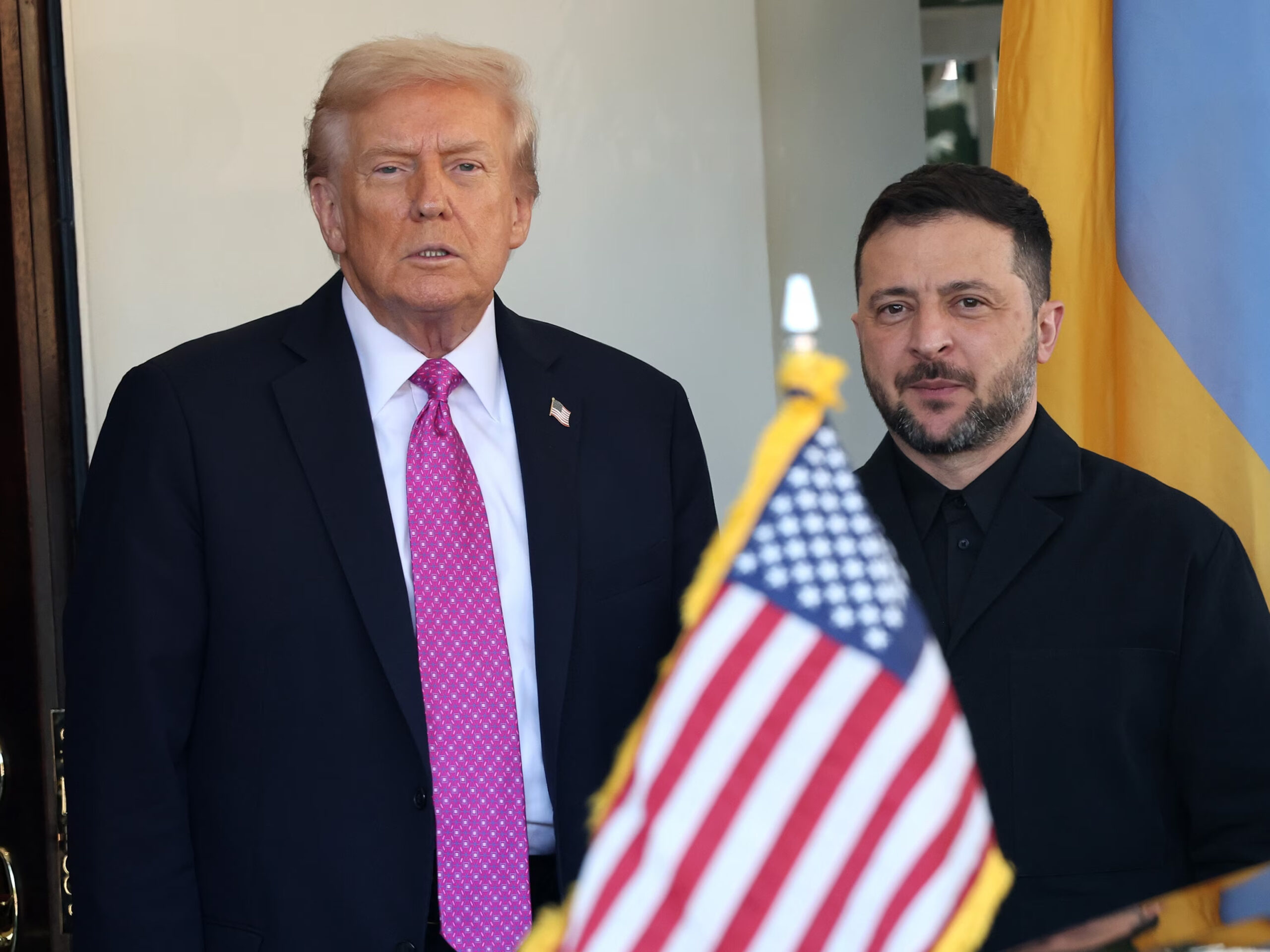
Energy Dependence and Economic Concerns
Energy remains Europe’s Achilles’ heel. Despite efforts to diversify, many countries still feel the ripple effects of reduced Russian energy supplies. Prolonged conflict or escalation threatens economic recovery.
European leaders must weigh moral support for Ukraine against domestic economic pressures. Trump’s plan, if it promises de-escalation, may appeal economically even if it raises ethical questions.
The United States Political Divide Over Ukraine
Back home, Trump’s Ukraine plan fuels intense debate. Ukraine has become a litmus test for broader questions about America’s role in the world.
Republican and Democratic Responses
Democrats generally emphasize steadfast support for Ukraine as a defense of democratic values. Many Republicans, especially Trump-aligned figures, argue for prioritizing domestic issues and limiting foreign entanglements.
This divide makes consistent policy difficult. Russia watches closely, aware that US commitments may shift with each election cycle.
Trump’s Base and America-First Foreign Policy
For Trump’s supporters, the plan aligns with America-First principles. Why bankroll a distant war indefinitely? Why not negotiate?
This sentiment gives Trump political leverage but also limits how far he can go. Any plan seen as weak risks alienating both hawks and isolationists.
Diplomatic Challenges in Bridging the Russia Rift
Diplomacy thrives on trust and trust is in short supply.
Trust Deficit Between Washington and Moscow
Decades of broken agreements, sanctions, and mutual accusations have eroded confidence. Russia doubts US consistency; the US doubts Russian intentions.
Trump’s personal diplomacy style may cut through bureaucracy, but it also raises concerns about durability and transparency.
Failed Negotiations and Historical Precedents
From Minsk agreements to earlier ceasefires, past efforts offer sobering lessons. Without enforcement mechanisms, deals unravel. Trump’s Ukraine plan must contend with this legacy of disappointment.
Economic Sanctions and Their Role in the Conflict
Sanctions are both weapon and warning.
Sanctions as Leverage or Liability
Supporters see sanctions as necessary pressure. Critics argue they entrench hostility and hurt civilians.
Trump’s mixed signals on sanctions create uncertainty, further complicating negotiations.
Russia’s Economic Adaptation Strategies
Russia has adapted turning to alternative markets and boosting domestic production. This resilience reduces sanctions’ effectiveness and strengthens Moscow’s bargaining position.
Military Implications of Trump’s Ukraine Plan
Peace plans don’t exist in a vacuum. Troops, weapons, and deterrence matter.
Arms Support, Deterrence, and Escalation Risks
Reducing support could weaken Ukraine’s defense. Increasing it risks escalation. Trump’s plan must navigate this razor-thin line.
The Balance Between Defense and Provocation
What one side calls defense, the other calls provocation. This perception gap fuels the Russia rift.
Information Warfare and Global Public Opinion
The battlefield isn’t just physical it’s digital.
Media, Propaganda, and Narrative Control
Both sides shape narratives to win support. Trump’s statements themselves become part of this information war.
The Battle for Hearts and Minds
Public opinion influences policy. Winning narratives can be as powerful as winning territory.
Potential Scenarios if the Russia Rift Deepens
Several paths lie ahead:
-
Diplomatic freeze
-
Prolonged stalemate
-
Sudden escalation
-
Fragile compromise
Each carries global consequences.
Long-Term Global Impacts of the Ukraine Standoff
The conflict reshapes alliances, defense spending, and global norms. Trump’s Ukraine plan may influence how future conflicts are managed or mishandled.
Conclusion: Can Trump’s Ukraine Plan Survive the Russia Rift?
Trump’s Ukraine plan is bold, controversial, and deeply polarizing. The Russia rift it faces is not just a diplomatic hurdle it’s a reflection of deeper structural conflicts. Whether the plan succeeds or fails, it forces the world to confront uncomfortable truths about power, compromise, and the cost of prolonged war. Peace may be possible, but it will not be simple, quick, or painless.
Frequently Asked Questions
1. Why does Russia oppose Trump’s Ukraine plan?
Russia fears security threats, NATO expansion, and loss of regional influence.
2. Does Ukraine support Trump’s proposal?
Ukraine is cautious, seeking peace without sacrificing sovereignty.
3. How does NATO factor into the conflict?
NATO involvement heightens Russian concerns and shapes the rift.
4. Can negotiations realistically end the war?
Only with trust, enforcement, and balanced concessions.
5. What are the global risks if the rift deepens?
Escalation, economic instability, and long-term shifts in world order.