


Swabian Steel vs. Bavarian Giants – The Ultimate Southern German Rivalry
Introduction
Southern Germany is home to one of Europe’s most colorful and enduring rivalries: Swabian Steel vs. Bavarian Giants. This clash is more than a friendly competition it’s a deep-rooted cultural duel shaped by centuries of history, contrasting personalities, and a fiery regional pride that neither side is willing to give up. Swabians and Bavarians live side by side, yet they are worlds apart in behavior, dialect, lifestyle, and even humor. What makes this rivalry fascinating is how naturally it blends tradition with modern identity. You can see it on football fields, in corporate boardrooms, and even in casual conversations at local pubs.
Swabians, often described as hardworking, thrifty, and meticulously detail-oriented, pride themselves on precision hence the nickname Swabian Steel. Their strength comes from discipline, order, and a strong engineering culture. Bavarians, on the other hand, embrace life with grandeur. Known for confidence, warmth, cultural richness, and a flair for doing things big, they’ve earned the nickname Bavarian Giants. Whether it’s festivals, football achievements, or tourism, Bavarians know how to dominate a stage.
What keeps this rivalry alive is the contrast: efficiency vs. celebration, precision vs. extravagance, discipline vs. charm. And yet, beneath the teasing and competition lies mutual respect and a recognition that both regions shape Germany’s identity in unique ways.Newusas
Historical Roots of the Rivalry
The rivalry between Swabia and Bavaria did not appear overnight it grew over centuries through political shifts, territorial disputes, cultural differences, and economic competition. To understand why the phrase “Swabian Steel vs. Bavarian Giants” carries so much weight today, you need to go back to medieval times, when both regions were part of different power structures within the Holy Roman Empire. Swabia was historically tied to the Duchy of Swabia, known for its guilds, craftsmen, and merchant families. Bavaria, meanwhile, was ruled by powerful dynasties like the Wittelsbachs, who influenced the region for hundreds of years. This split laid the foundation for two very different mindsets one driven by industry and craftsmanship, the other by monarchy, agriculture, and cultural richness.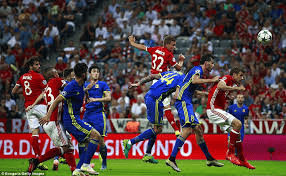
As Germany moved toward unification in the 19th century, rivalries intensified. Swabia became associated with the rising industrial powers of Stuttgart and Ulm, while Bavaria leaned into its strong cultural identity, Catholic heritage, and distinct traditions. Their differences were no longer just territorial; they became symbolic. Swabia represented precision, engineering, and a somewhat reserved character. Bavaria embodied openness, festivity, and a larger-than-life personality.
The 20th century only deepened these contrasts. Bavaria evolved into a tourism and cultural giant, home to the Alps, Oktoberfest, and global brands like BMW. Swabia simultaneously transformed into Germany’s engineering heartland, the birthplace of Mercedes-Benz, Porsche, Bosch, and countless Mittelstand companies. Naturally, competition intensified not because the regions disliked each other, but because each wanted to dominate in the areas where they excelled.
Today, the rivalry is less about political boundaries and more about pride. Ask a Swabian who works harder; they’ll say themselves. Ask a Bavarian who lives better; they’ll point to their festivals and mountains. It’s this longstanding tension rooted in history but alive in modern life that gives the rivalry its fire and charm.
Who Are the Swabians?
Swabians are often described as the quiet powerhouses of Southern Germany people who prefer to do rather than talk. Rooted primarily in the state of Baden-Württemberg, especially around Stuttgart, Ulm, and the Alb region, Swabians have built a reputation for discipline, thrift, and unstoppable work ethic. Their mindset is shaped by centuries of craftsmanship, guild traditions, and a lifestyle where resources were scarce, so everything had to be used wisely. This is why Swabians are famous for sayings like “Schaffe, schaffe, Häusle baue” work hard, save money, and build your home. It’s not just a motto; it’s a worldview.
Swabian culture revolves around precision and reliability. Whether in engineering, finance, or everyday life, they value order and clarity. You’ll see it in how their businesses operate, how they maintain their homes, and even how they speak. Swabian German, often considered sharp and clipped, reflects this pragmatic personality. Many jokes poke fun at the dialect, but Swabians embrace it proudly because it symbolizes identity and community.
What makes Swabians stand out most is their industrial genius. This region produced some of the world’s most respected engineering brands Mercedes-Benz, Porsche, Bosch, and countless tech-driven Mittelstand companies. Innovation is practically woven into Swabian DNA, and their commitment to quality has made Baden-Württemberg one of Europe’s strongest economic regions. Their skill isn’t loud or flashy it’s quiet, steady, and incredibly effective, much like steel being forged.
Yet, Swabians also have a warm side that outsiders don’t always notice. Their humor is subtle, their friendships deep, and their community bonds strong. They may not be as outwardly expressive as Bavarians, but once a Swabian welcomes you into their circle, you’re there for life. In every way culturally, economically, historically Swabians embody resilience. That’s why the term “Swabian Steel” fits so perfectly: they’re tough, reliable, and built to last.
Who Are the Bavarians?
Bavarians are often seen as the bold, proud, larger-than-life personalities of Southern Germany people who carry their traditions, culture, and identity with unmistakable confidence. Centered in the state of Bavaria, with Munich as their gleaming capital, Bavarians have built a reputation for being warm, festive, and unapologetically proud of who they are. Their identity comes from centuries of independence, strong monarchic history under the Wittelsbach dynasty, and a cultural heritage so rich that it became globally recognizable from Lederhosen to Oktoberfest to Alphorn music echoing through the Alps.
What sets Bavarians apart is their ability to celebrate life with full force. Whether it’s a local beer festival in a small village or the global spectacle of Oktoberfest, Bavarians embrace joy as a lifestyle. Their friendliness is genuine, their humor loud and expressive, and their social gatherings energetic. You don’t just visit Bavaria you feel it. From mountain lodges to lakeside towns, the atmosphere is always welcoming and vibrant.
Economically, Bavaria is a giant hence the nickname “Bavarian Giants.” Home to BMW, Audi, Siemens, Allianz, and global tech hubs, the region stands among Europe’s most powerful economic centers. Yet, despite modern success, Bavarians fiercely preserve their traditions. Their dialect (Bairisch) is melodic and instantly recognizable, their costumes remain fashionable during festivals, and their cuisine is hearty, comforting, and iconic.
Another aspect that fuels the rivalry with Swabians is personality. Bavarians see themselves as charming and easygoing, while sometimes teasing Swabians for being too serious or thrifty. Swabians, in turn, playfully accuse Bavarians of being extravagant and proud. But beneath the teasing is deep respect: Bavaria is a region that blends history, innovation, and culture like nowhere else. Their identity is their strength big, bold, and unmistakably Bavarian.
Swabian Steel”: Meaning & Symbolism
The phrase “Swabian Steel” isn’t just a catchy label it’s a cultural metaphor that perfectly reflects the personality, work ethic, and mindset of the Swabian people. When someone hears this expression, it immediately conjures images of discipline, strength, precision, and a kind of quiet toughness that doesn’t need to boast to be respected. Much like actual steel, Swabians are known for their durability and reliability. They don’t bend easily under pressure, and they certainly don’t break. Instead, they face challenges with methodical focus and calm determination.
This symbolism has deep historical roots. Swabia has long been the industrial heart of Southern Germany, the birthplace of engineering excellence and mechanical innovation. From the legendary factories of Mercedes-Benz and Porsche to global engineering powers like Bosch, Mahle, and Stihl, Swabians transformed their region into a world-famous powerhouse of craftsmanship and technology. Their ability to engineer with precision is what gives “Swabian Steel” its literal meaning the region’s industries do, in fact, produce some of the strongest and most advanced technologies in the world.
But the phrase is just as important culturally. Swabians value diligence, modesty, and responsibility. They are planners, savers, builders, and problem-solvers. A Swabian won’t brag about what they achieve; they will quietly work harder until the results speak for themselves. This mindset shapes everything from how Swabians organize their daily lives to how they lead businesses. When they make something, it’s built to last. When they commit to a task, they finish it thoroughly. When they set goals, they work toward them with unwavering consistency.
Even Swabian dialect mirrors this steel-like mentality: sharp, efficient, and no-nonsense. Outsiders may tease Swabians for being overly serious or thrifty, but those traits are precisely what enabled the region to thrive economically and culturally.
In short, “Swabian Steel” is the perfect emblem of a people who are strong without shouting, successful without showing off, and industrious without needing applause. It is the spirit of Swabia resilient, reliable, and forged in centuries of craftsmanship and hard work.
Social Perception & Stereotypes
Social perception is one of the funniest and most enduring elements of the Swabian–Bavarian rivalry. Both regions love teasing each other, and over time, these playful jabs have evolved into widely recognized stereotypes. Swabians are often portrayed as thrifty, meticulous, reserved, and obsessed with order, while Bavarians are described as loud, carefree, proud, beer-loving, and larger-than-life. While exaggerated, these stereotypes come from genuine cultural differences rooted in history, lifestyle, and regional identity.
Swabians see themselves as disciplined workers who value stability and financial responsibility. They’re the people who fix things instead of replacing them, who save instead of splurge, and who plan everything with precision. Bavarians often joke that Swabians count every cent but Swabians counter that this is exactly why their region is stable and prosperous. On the other hand, Bavarians carry a reputation for being outgoing, humorous, warm, and deeply connected to their cultural traditions. Lederhosen, Oktoberfest, and beer halls are more than clichés they’re symbols of a culture that genuinely celebrates life.
Both sides also have opinions about each other’s dialects. Swabian German is seen as sharp and clipped, while Bavarian dialect is considered musical, warm, but sometimes difficult to understand. These stereotypes, however, rarely lead to actual conflict. They function more like sibling rivalry: teasing is constant, but respect runs deep. Swabians admire Bavarian hospitality and cultural pride, while Bavarians respect Swabian work ethic and engineering genius.
In today’s Germany, these stereotypes provide lighthearted humor rather than division. Whether in football, business, or everyday conversation, Swabians and Bavarians enjoy the friendly competition and the cultural color it brings to Southern Germany.
Is the Rivalry Still Strong Today?
The rivalry between Swabia and Bavaria is absolutely still alive but it has changed. In the past, differences grew from political separation, economic competition, and cultural divergence. Today, globalization, mobility, and interregional collaboration have made the rivalry lighter, more humorous, and mostly connected to sports, stereotypes, and cultural pride.
Young people in both regions are less focused on old divisions and more on shared opportunities. Many Swabians work or study in Munich, and many Bavarians live in Stuttgart, especially in industries like automotive engineering, IT, and research. Economic collaboration between the regions has never been stronger. Instead of seeing each other as rivals, many now see each other as complementary strengths within Germany.
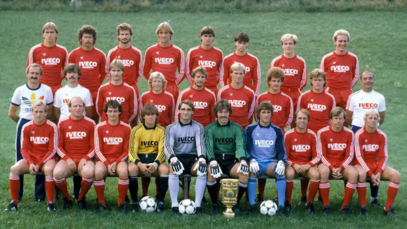
Yet, the rivalry remains strong in the places where identity matters most: football, dialect, traditions, and lifestyle. Matches between VfB Stuttgart and Bayern Munich still ignite fierce passion. Bavarian Oktoberfest traditions continue to be compared to Swabian festivals. Dialect jokes are as popular as ever. And regional pride remains deeply rooted both sides cherish their uniqueness.
So, while the rivalry has softened, it hasn’t disappeared. It simply evolved into a cultural, humorous, and friendly competition a rivalry that makes Southern Germany vibrant and diverse.
Conclusion
The clash between Swabian Steel and the Bavarian Giants is one of the most fascinating regional rivalries in Europe. Built on centuries of history, molded by cultural differences, and kept alive through sports, economic power, and local pride, this rivalry remains a defining part of Southern Germany’s identity. Swabians bring discipline, innovation, and quiet strength. Bavarians bring culture, confidence, and joyful energy. The contrast doesn’t divide them if anything, it enriches both regions.
In the end, Swabians and Bavarians may tease each other endlessly, but they also admire each other deeply. Their rivalry is a celebration of diversity, tradition, progress, and personality. It’s a reminder that even neighboring regions can carve out distinct identities while contributing equally to a shared national success.
FAQs
1. Why are Swabians considered “Swabian Steel”?
Because they embody strength, discipline, reliability, and a work ethic that has shaped Southern Germany’s engineering excellence.
2. Why are Bavarians called “Giants”?
The nickname reflects Bavaria’s cultural dominance, economic power, and larger-than-life personality.
3. Is the Swabian–Bavarian rivalry hostile?
Not at all. It’s a humorous, friendly rivalry built on teasing, cultural pride, and sports.
4. Which region is more economically powerful?
Both are economic giants: Swabia excels in engineering, while Bavaria leads in technology, tourism, and global brands.
5. Do younger people still care about the rivalry?
Yes, but mostly for fun mainly through football, festivals, and regional identity, rather than serious competition.