


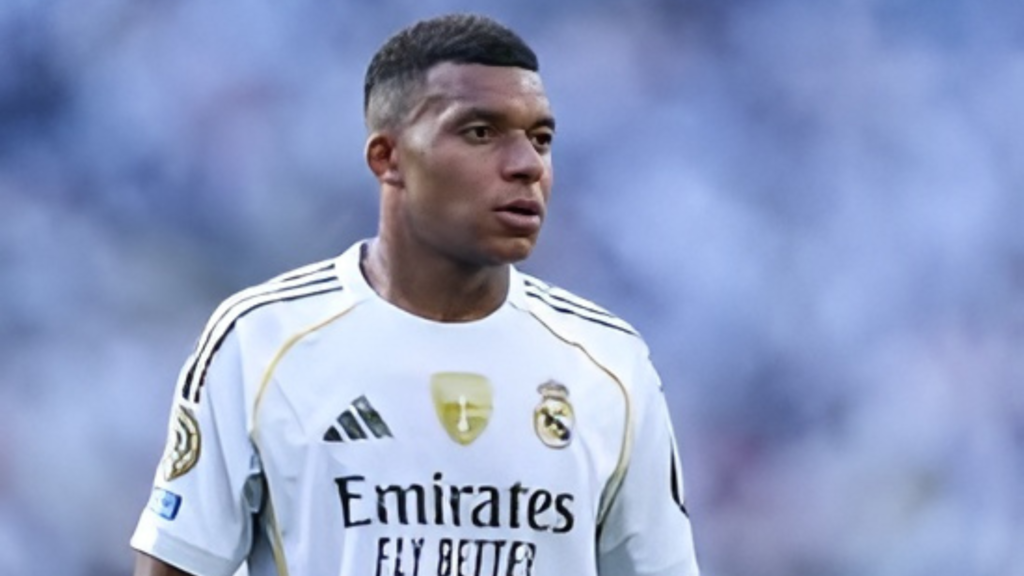
Mbappé Wins €60m Lawsuit Against PSG
Introduction: A Landmark Legal Battle in Modern Football
Football fans are used to seeing drama unfold on the pitch, but every now and then, the biggest battles happen far away from the stadium lights. The €60 million lawsuit victory of Kylian Mbappé against Paris Saint-Germain is one of those moments that goes far beyond goals, trophies, and transfer rumors. This case isn’t just about money it’s about power, promises, contracts, and the evolving relationship between elite players and mega-clubs.
When Mbappé took PSG to court, many believed it was unthinkable. After all, this was the club that built its sporting project around him, offered him record-breaking contracts, and positioned him as the face of French football. But beneath the glamorous surface, unresolved financial commitments and contractual disputes were quietly brewing. Once the legal dust settled, the verdict sent shockwaves across the football world.
This lawsuit matters because it sets a tone. It tells players they can stand their ground. It reminds clubs that contracts are not just symbolic gestures. And perhaps most importantly, it shows how football has fully embraced its identity as a high-stakes business. Let’s break down how this dispute began, why Mbappé won, and what it means for the future of the sport.
Background of the Mbappé–PSG Relationship
Kylian Mbappé’s journey with PSG has always felt like a blockbuster movie. Signed initially from AS Monaco, he quickly evolved from a promising teenager into one of the most dominant players on the planet. PSG didn’t just sign Mbappé; they invested in him emotionally, financially, and strategically.
Over the years, PSG structured their sporting ambitions around Mbappé. Managers came and went, teammates rotated, but Mbappé remained the constant. Contract extensions were celebrated like trophies, especially the highly publicized renewal that reportedly made him one of the highest-paid players in football history. With those contracts came verbal assurances, performance-based bonuses, loyalty clauses, and image rights agreements.
However, football contracts are complex creatures. What looks clear in a press conference can become murky in fine print. As PSG navigated Financial Fair Play pressures and internal restructuring, certain payments allegedly became delayed, reduced, or disputed. Mbappé’s camp began raising concerns long before the lawsuit became public. The cracks were there; the world just hadn’t noticed yet.
Understanding the €60m Lawsuit
At the heart of this legal battle was money but not just any money. The €60 million figure reportedly included unpaid bonuses, loyalty payments, and contractual guarantees that Mbappé’s legal team argued were clearly outlined in his agreement.Financialeage
Unlike performance-based bonuses tied to goals or trophies, loyalty bonuses are contractual obligations. Mbappé’s claim centered on the idea that PSG failed to honor these commitments despite benefiting from his services, image, and commercial value. From Mbappé’s perspective, this wasn’t greed it was enforcement.
The lawsuit wasn’t filed impulsively. Legal teams spent months reviewing contracts, correspondence, and payment schedules. The claim alleged breach of contract, delayed payments, and failure to meet agreed financial obligations. Once the case reached court, it became clear that this wasn’t a gray-area misunderstanding but a structured financial dispute grounded in documentation.
Timeline of the Legal Dispute
The timeline of the Mbappé–PSG lawsuit reveals how professional and calculated the process was. Initial concerns reportedly surfaced during internal negotiations, where Mbappé’s representatives sought clarification on delayed payments. PSG, dealing with broader financial constraints, attempted renegotiations.
As months passed without resolution, legal notices were issued. These formal steps are critical in contract law, signaling intent and creating a paper trail. When negotiations failed, Mbappé’s legal team escalated the matter to court.
The legal proceedings unfolded quietly at first, but once the €60 million figure became public, media attention exploded. Hearings, document submissions, and expert testimonies followed. Eventually, the court reached a decision that overwhelmingly favored Mbappé, confirming PSG’s contractual breach.
PSG’s Position and Legal Defense
PSG’s defense centered on contractual interpretation. The club reportedly argued that certain payments were conditional, tied to sporting commitments or long-term loyalty. They also pointed to broader financial contexts, including regulatory pressures and internal restructuring.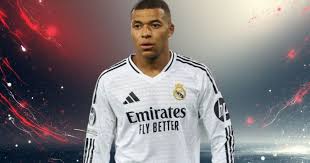
From PSG’s viewpoint, the contract allowed flexibility. They claimed Mbappé’s eventual departure intentions influenced payment eligibility. However, courts don’t operate on intentions they operate on written agreements. PSG struggled to prove that these clauses legally justified withholding payments.
The defense also leaned on the idea of renegotiation attempts, suggesting mutual understanding. But without signed amendments, verbal discussions hold little weight in court. Ultimately, PSG’s argument lacked the contractual clarity needed to counter Mbappé’s claims.
Mbappé’s Legal Strategy
Mbappé’s legal strategy was methodical and disciplined much like his playing style. Rather than making emotional appeals, his team focused on documentation, timelines, and legal precedent. Every claim was supported by contractual language.
Crucially, Mbappé framed the lawsuit as a professional dispute, not a personal vendetta. This approach protected his public image while strengthening his legal credibility. He wasn’t attacking PSG; he was enforcing a contract.
The strategy paid off. By maintaining consistency and avoiding public provocation, Mbappé allowed the court to focus purely on facts. That focus became decisive in securing the €60 million victory.
Court Ruling Explained
The court’s ruling was clear and decisive. It concluded that PSG failed to fulfill its contractual obligations and was legally required to pay the outstanding €60 million to Mbappé.
Judges emphasized that loyalty bonuses and guaranteed payments are enforceable commitments, regardless of future transfer intentions. The ruling reinforced that clubs cannot retroactively reinterpret contracts to suit changing circumstances.
This judgment didn’t just validate Mbappé’s claim it sent a message across football. Contracts matter. Signatures matter. And financial power does not override legal responsibility.
Financial Implications for PSG
A €60 million payout is no small blow, even for a club backed by vast resources. In the short term, PSG must absorb the financial hit, potentially impacting transfer budgets and wage structures.
Long-term, this ruling forces PSG and other clubs to reassess how they structure contracts. Deferred bonuses, loyalty clauses, and conditional payments will now be scrutinized more carefully. Financial planning must align with legal certainty.
This case may also influence how PSG negotiates with future stars, shifting power slightly back toward players.
Impact on Mbappé’s Career
For Mbappé, this victory strengthens his position as more than just a footballer. He emerges as a symbol of player empowerment and professionalism. Far from damaging his reputation, the lawsuit enhances his credibility.
Future negotiations whether with clubs or sponsors will see Mbappé as someone who understands his value and defends it. That leverage is priceless in modern football.
Importantly, the ruling clears lingering disputes, allowing Mbappé to focus entirely on his sporting ambitions without unresolved legal baggage.
Reactions from the Football World
The football world reacted swiftly. Players’ unions praised Mbappé for standing up for contractual rights. Fans were divided, with some criticizing PSG and others questioning the system itself.
Media outlets framed the case as a turning point. Pundits discussed how this ruling could embolden players across leagues. Behind closed doors, club executives took notes.
This wasn’t just news it was a warning shot.
What This Case Means for Football Contracts
Football contracts are evolving. This case highlights a shift where players are no longer passive assets but active stakeholders. Legal literacy among players is increasing, and clubs must adapt.
We may see more transparent contracts, clearer bonus structures, and fewer ambiguous clauses. Trust alone is no longer enough; clarity is king.
In many ways, Mbappé’s lawsuit accelerates football’s transition into a more balanced business ecosystem.
UEFA and FIFA Perspectives
While UEFA and FIFA were not directly involved, the ruling aligns with broader regulatory goals of fairness and transparency. Governing bodies may use this case as a reference point in future policy discussions.
Financial Fair Play already pressures clubs to manage wages responsibly. Legal accountability adds another layer of discipline.
Expect subtle but meaningful regulatory shifts in the coming years.
Comparisons with Past Football Lawsuits
Football has seen legal disputes before, but few with this level of financial and symbolic impact. Unlike messy transfer conflicts, this case was clean, contractual, and decisive.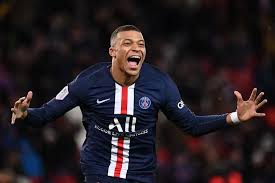
It echoes past landmark rulings that reshaped player mobility and rights. Mbappé’s case may join that historical list.
The lesson is simple: legal precedent shapes football just as much as tactics do.
PSG’s Next Move After the Verdict
PSG now faces strategic decisions. An appeal could prolong the issue but risks further reputational damage. Compliance, while costly, allows the club to move forward.
Internally, PSG will likely review legal teams, contract structures, and negotiation strategies. This loss may ultimately strengthen the club’s governance.Newsusas
Sometimes, losing a case is the price of long-term stability.
Broader Implications for Sports Law
This ruling reinforces the idea that athletes are professionals with enforceable rights. Sports law continues to mature, blending business, labor law, and ethics.
For young players watching, the message is empowering: know your contract, protect your rights, and don’t be afraid to seek justice.
Football isn’t just a game it’s a legal ecosystem.
Conclusion
Kylian Mbappé’s €60 million lawsuit victory against PSG is more than a headline it’s a defining moment in modern football. It underscores the power of contracts, the importance of legal clarity, and the shifting balance between clubs and players. As football continues to grow as a global business, cases like this will shape its future just as much as goals and trophies do. Mbappé didn’t just win money he made a statement.
FAQs
1. Why did Mbappé sue PSG?
Mbappé sued PSG over unpaid contractual obligations, including loyalty bonuses and guaranteed payments.
2. How much did Mbappé win in the lawsuit?
He won €60 million following the court’s ruling.
3. Did PSG breach the contract?
Yes, the court ruled that PSG failed to meet its contractual obligations.
4. Will PSG appeal the decision?
As of now, no official confirmation has been made regarding an appeal.
5. What does this mean for football contracts?
It strengthens player rights and emphasizes the legal enforceability of contracts.