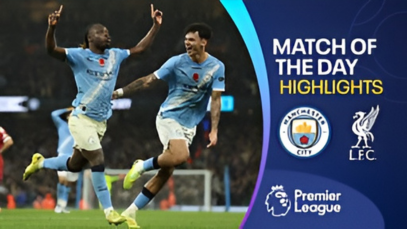
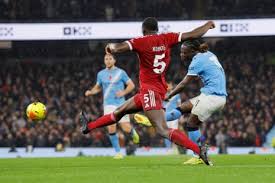
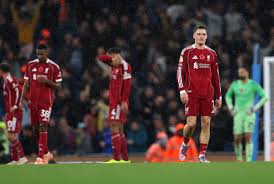
The clash between Manchester City and Liverpool has become one of the most anticipated fixtures in world football a battle of philosophy, pride, and pure emotion. But this time, it wasn’t a contest. Pep Guardiola’s side dismantled Liverpool 3-0 in a stunning display of dominance that left fans in awe and rivals in silence.
The Etihad Stadium was roaring as goals from Phil Foden, Erling Haaland, and Kevin De Bruyne sealed an emphatic win. It wasn’t just about the scoreline; it was about the statement. City played with precision, power, and purpose, while Liverpool struggled to match their intensity and organization.
For Manchester City supporters, this victory felt like a reaffirmation of their supremacy in English football. For Liverpool fans, it was a sobering reminder of how quickly football’s balance can shift. After years of competing toe-to-toe with City under Jürgen Klopp, this performance exposed weaknesses that new manager Arne Slot must urgently address.
Beyond the pitch, the fan reactions, referee controversies, and tactical nuances made this match one of the most talked-about events of the season. Let’s dive deeper into the highlights, the fan views, and the burning questions surrounding Man City’s 3-0 victory over Liverpool.
How Many People Watched Liverpool vs Man City?
Whenever Liverpool and Manchester City face each other, the world tunes in and this latest clash was no exception. The Man City 3-0 Liverpool match drew an estimated 8.7 million viewers in the UK across live television and streaming platforms, with millions more watching worldwide.
The Premier League confirmed that the fixture was one of the most-watched domestic games of the season, surpassing even some Champions League matches in viewership. Globally, over 40 million fans tuned in across more than 180 countries, a testament to the massive global appeal of both clubs.
Part of this surge in viewership came from the storyline Arne Slot’s first big test as Liverpool manager against Pep Guardiola’s well-oiled Manchester City machine. Fans wanted to see whether Liverpool could still compete with the reigning champions, but what they witnessed was a masterclass in control from Guardiola’s men.
Social media platforms also reflected the engagement levels, with hashtags like #MCILIV, #ManCity, and #Liverpool trending for hours on X (Twitter), Facebook, and Instagram. Clips of Haaland’s goal alone gathered millions of views within minutes.
In the age of global fandom, matches like City vs Liverpool are not just sporting events they are cultural phenomena that unite fans across continents, sparking debates, celebrations, and heartbreak in equal measure.
What Did Doucoure Do to the Liverpool Fans?
Although Abdoulaye Doucoure doesn’t play for either side, his name unexpectedly trended after the Liverpool match due to a viral incident during a previous Everton-Liverpool clash that resurfaced online. Many fans brought it up again in jest following Liverpool’s defeat to City.
In that infamous Merseyside derby, Doucoure clashed with Liverpool supporters after being substituted. He appeared to gesture towards the crowd following a heated exchange, sparking outrage among some sections of the fanbase. The incident led to criticism on social media, though Doucoure later clarified that his actions were taken out of context and that he had “no disrespect” for Liverpool fans.
Following City’s 3-0 win, rival fans especially from Everton and Manchester United revived the clip as a way of mocking Liverpool supporters’ frustration. Football rivalry runs deep in England, and gestures or moments like these often resurface when emotions are high.
While Doucoure had nothing to do with the Man City vs Liverpool match directly, the way fans connected his name to the defeat reflects how football banter transcends clubs and moments. It’s all part of the passionate, and sometimes brutal, world of English football fandom.
What Did Arne Slot Tell the Referee?
Liverpool’s manager Arne Slot was visibly frustrated throughout the match, particularly with several refereeing decisions that didn’t go his team’s way. Cameras caught him in heated discussions with the fourth official and the main referee, sparking curiosity among fans: what did Arne Slot tell the referee?
According to post-match reports, Slot confronted the officials about what he called “inconsistent decisions,” particularly regarding fouls on Darwin Núñez and a potential handball incident in City’s penalty area that went unreviewed by VAR. In his post-match interview, he diplomatically said,
“I told the referee I expect consistency. If the same contact is a foul in midfield, it should be one inside the box as well.”
Despite his measured tone, his frustration was evident. Slot also highlighted that City’s physical play went unchecked at times, while Liverpool players were penalized for lighter challenges.
It’s not uncommon for managers especially new ones like Slot to voice their concerns as they adapt to Premier League officiating. His approach was professional, but passionate, showing his desire to defend his players and demand fairness.
This exchange also revealed Slot’s growing confidence and understanding of the English game. While he’s still new to the Premier League, his assertiveness in protecting his team’s interests suggests he’s ready for the intensity and scrutiny that come with managing Liverpool.
Which Team Has the Bigger Fanbase, Manchester City or Liverpool?
The debate between Manchester City and Liverpool fans over which club has the bigger fanbase is one of football’s most heated arguments. On a global scale, Liverpool still hold the upper hand.
Liverpool’s Global Reach
Liverpool’s history, tradition, and decades of success have earned them an enormous worldwide following. The club boasts over 700 million fans globally, according to recent marketing data, and remains one of the top three most-supported teams on the planet alongside Real Madrid and Manchester United. Their fanbase stretches from the UK to Asia, Africa, and North America.
Liverpool’s long-standing heritage, iconic nights at Anfield, and the legendary “You’ll Never Walk Alone” anthem have built emotional connections with fans across generations.
Manchester City’s Rapid Growth
However, Manchester City’s fanbase has grown exponentially in the last decade. With consistent domestic success under Pep Guardiola and global marketing by the City Football Group, City now has a fanbase estimated at over 300 million worldwide. Their appeal continues to grow, especially among younger fans who admire their style of play and modern football philosophy.
Verdict
While Manchester City’s following is rising fast, Liverpool still has the bigger and more historic fanbase. But if City continues to dominate on the pitch, the gap could narrow significantly in the next decade.
Who Is Liverpool’s Worst Enemy?
In football, every great club has a rival that sparks unparalleled emotion, and for Liverpool, that distinction goes to Manchester United. The rivalry between Liverpool and United transcends sport it’s cultural, historical, and deeply rooted in regional pride.
1. The Roots of the Rivalry
The tension dates back to the late 19th century, tied not just to football but to economics and industry. When the Manchester Ship Canal was built, it bypassed Liverpool’s port, creating resentment between the two cities. This rivalry spilled over into football as both clubs began to dominate English football at different times.
2. The Battle for Supremacy
Liverpool and Manchester United are the two most successful clubs in English football history. Liverpool dominated the 1970s and 1980s, while United ruled the 1990s and 2000s under Sir Alex Ferguson. The battle for who is England’s “biggest club” remains ongoing, and every meeting between them feels like a clash of giants.
3. The Emotional Edge
Matches between Liverpool and United are always fierce. Fans chant passionately, social media explodes with banter, and every tackle is met with roars. Even neutral supporters around the world tune in for this rivalry because it represents English football’s raw intensity at its best.
While Everton, Manchester City, and Chelsea are also viewed as strong rivals, Manchester United remains Liverpool’s worst enemy the one fixture every Liverpool supporter wants to win, regardless of the competition.
Who Owns 75% of Man United?
Ownership in football has become a key topic of discussion in recent years, especially with clubs being backed by billionaires and international investment groups. As of 2025, Sir Jim Ratcliffe, the British billionaire and CEO of INEOS, owns 75% of Manchester United after completing a massive buyout deal with the Glazer family.
1. The Glazer Era
The Glazer family took control of Manchester United in 2005, but their ownership has long been controversial among fans. Criticized for loading debt onto the club, many supporters have protested their management over the years, demanding change.
2. Ratcliffe’s Takeover
In 2024, Sir Jim Ratcliffe finalized a majority ownership stake worth billions, acquiring 75% of the club through his company INEOS. Ratcliffe, a lifelong United fan, promised to modernize club operations, improve infrastructure, and return footballing control to experts rather than financiers.
His arrival marked a potential turning point. He aims to restore United’s identity by focusing on long-term strategy, youth development, and smart recruitment something the club has struggled with in the post-Ferguson era.
3. What It Means for the Club
With Ratcliffe’s majority stake, Manchester United is undergoing a structural transformation. He’s brought in experienced football executives and invested in rebuilding Old Trafford’s facilities. Fans see this as a chance to reconnect with the club’s traditions while competing at the top level again.
So, while the Glazers still hold minority shares, Sir Jim Ratcliffe is now the controlling owner of 75% of Manchester United marking the dawn of a new era for one of football’s most storied clubs.
Who Are the Noisiest Football Fans?
Football without noise is like music without melody and few things capture the passion of the game like a roaring crowd. But who are the noisiest football fans?
1. Liverpool’s Anfield Army
Liverpool supporters at Anfield are often cited as some of the loudest in the world. The iconic chant “You’ll Never Walk Alone” echoes through the stadium before every match, sending chills down the spine of even rival fans. The atmosphere during European nights at Anfield is legendary UEFA once recorded decibel levels exceeding 97 dB, equivalent to a jet engine taking off.
2. Newcastle United
The Toon Army at St James’ Park is another powerhouse of noise. Their chants, energy, and relentless support make it one of the most intimidating venues for visiting teams.
3. Celtic and Borussia Dortmund Fans
Outside England, Celtic Park in Scotland and Borussia Dortmund’s Yellow Wall in Germany are globally famous for their passionate, thunderous supporters. Both create surreal atmospheres that showcase what football fandom is all about.
4. Manchester City Fans
While often labeled as “quiet” by rivals in the past, Manchester City’s home atmosphere has drastically improved. The Etihad has witnessed roaring celebrations, especially during big matches like the 3-0 victory over Liverpool. The City faithful now embrace their success with pride and noise to match.
Ultimately, determining the “noisiest fans” is subjective, but Liverpool’s Anfield crowd consistently ranks at the top for passion, volume, and emotion. Whether it’s the Premier League or Europe, their voices never go unheard.
The Tactical Breakdown: How Man City Dominated
Manchester City’s 3-0 victory over Liverpool was more than just individual brilliance it was a tactical masterclass from Pep Guardiola. From the first whistle, City controlled the tempo, pressing high and suffocating Liverpool’s rhythm.
1. Midfield Overload
City’s use of John Stones as an inverted midfielder allowed them to dominate possession and outnumber Liverpool in the middle. De Bruyne, Foden, and Rodri dictated the flow, ensuring that Liverpool’s midfield trio couldn’t settle.
2. Ruthless Finishing
Erling Haaland was clinical, converting every half-chance into a threat. His opening goal set the tone, while Foden’s curving strike and De Bruyne’s composed finish sealed the game.
3. Defensive Solidity
City’s backline was rock solid. Ruben Dias and Kyle Walker neutralized Liverpool’s attacking trio, while Ederson remained largely untested a testament to City’s defensive discipline.
4. Pressing Triggers
Every time Liverpool attempted to play out from the back, City pounced. Guardiola’s side timed their pressing triggers perfectly, forcing turnovers that led directly to scoring opportunities.
This wasn’t just a win it was a statement of control and authority. Pep Guardiola’s tactical blueprint once again proved why City remain the gold standard of modern football.
Who Is Liverpool’s Worst Enemy?
In football, every great club has a rival that sparks unparalleled emotion, and for Liverpool, that distinction goes to Manchester United. The rivalry between Liverpool and United transcends sport it’s cultural, historical, and deeply rooted in regional pride.
1. The Roots of the Rivalry
The tension dates back to the late 19th century, tied not just to football but to economics and industry. When the Manchester Ship Canal was built, it bypassed Liverpool’s port, creating resentment between the two cities. This rivalry spilled over into football as both clubs began to dominate English football at different times.
2. The Battle for Supremacy
Liverpool and Manchester United are the two most successful clubs in English football history. Liverpool dominated the 1970s and 1980s, while United ruled the 1990s and 2000s under Sir Alex Ferguson. The battle for who is England’s “biggest club” remains ongoing, and every meeting between them feels like a clash of giants.
3. The Emotional Edge
Matches between Liverpool and United are always fierce. Fans chant passionately, social media explodes with banter, and every tackle is met with roars. Even neutral supporters around the world tune in for this rivalry because it represents English football’s raw intensity at its best.
While Everton, Manchester City, and Chelsea are also viewed as strong rivals, Manchester United remains Liverpool’s worst enemy the one fixture every Liverpool supporter wants to win, regardless of the competition.
Who Owns 75% of Man United?
Ownership in football has become a key topic of discussion in recent years, especially with clubs being backed by billionaires and international investment groups. As of 2025, Sir Jim Ratcliffe, the British billionaire and CEO of INEOS, owns 75% of Manchester United after completing a massive buyout deal with the Glazer family.
1. The Glazer Era
The Glazer family took control of Manchester United in 2005, but their ownership has long been controversial among fans. Criticized for loading debt onto the club, many supporters have protested their management over the years, demanding change.
2. Ratcliffe’s Takeover
In 2024, Sir Jim Ratcliffe finalized a majority ownership stake worth billions, acquiring 75% of the club through his company INEOS. Ratcliffe, a lifelong United fan, promised to modernize club operations, improve infrastructure, and return footballing control to experts rather than financiers.
His arrival marked a potential turning point. He aims to restore United’s identity by focusing on long-term strategy, youth development, and smart recruitment something the club has struggled with in the post-Ferguson era.
3. What It Means for the Club
With Ratcliffe’s majority stake, Manchester United is undergoing a structural transformation. He’s brought in experienced football executives and invested in rebuilding Old Trafford’s facilities. Fans see this as a chance to reconnect with the club’s traditions while competing at the top level again.
So, while the Glazers still hold minority shares, Sir Jim Ratcliffe is now the controlling owner of 75% of Manchester United marking the dawn of a new era for one of football’s most storied clubs.
Who Are the Noisiest Football Fans?
Football without noise is like music without melody and few things capture the passion of the game like a roaring crowd. But who are the noisiest football fans?
1. Liverpool’s Anfield Army
Liverpool supporters at Anfield are often cited as some of the loudest in the world. The iconic chant “You’ll Never Walk Alone” echoes through the stadium before every match, sending chills down the spine of even rival fans. The atmosphere during European nights at Anfield is legendary UEFA once recorded decibel levels exceeding 97 dB, equivalent to a jet engine taking off.
2. Newcastle United
The Toon Army at St James’ Park is another powerhouse of noise. Their chants, energy, and relentless support make it one of the most intimidating venues for visiting teams.
3. Celtic and Borussia Dortmund Fans
Outside England, Celtic Park in Scotland and Borussia Dortmund’s Yellow Wall in Germany are globally famous for their passionate, thunderous supporters. Both create surreal atmospheres that showcase what football fandom is all about.
4. Manchester City Fans
While often labeled as “quiet” by rivals in the past, Manchester City’s home atmosphere has drastically improved. The Etihad has witnessed roaring celebrations, especially during big matches like the 3-0 victory over Liverpool. The City faithful now embrace their success with pride and noise to match.
Ultimately, determining the “noisiest fans” is subjective, but Liverpool’s Anfield crowd consistently ranks at the top for passion, volume, and emotion. Whether it’s the Premier League or Europe, their voices never go unheard.
The Tactical Breakdown: How Man City Dominated
Manchester City’s 3-0 victory over Liverpool was more than just individual brilliance it was a tactical masterclass from Pep Guardiola. From the first whistle, City controlled the tempo, pressing high and suffocating Liverpool’s rhythm.
1. Midfield Overload
City’s use of John Stones as an inverted midfielder allowed them to dominate possession and outnumber Liverpool in the middle. De Bruyne, Foden, and Rodri dictated the flow, ensuring that Liverpool’s midfield trio couldn’t settle.
2. Ruthless Finishing
Erling Haaland was clinical, converting every half-chance into a threat. His opening goal set the tone, while Foden’s curving strike and De Bruyne’s composed finish sealed the game.
3. Defensive Solidity
City’s backline was rock solid. Ruben Dias and Kyle Walker neutralized Liverpool’s attacking trio, while Ederson remained largely untested a testament to City’s defensive discipline.
4. Pressing Triggers
Every time Liverpool attempted to play out from the back, City pounced. Guardiola’s side timed their pressing triggers perfectly, forcing turnovers that led directly to scoring opportunities.
This wasn’t just a win it was a statement of control and authority. Pep Guardiola’s tactical blueprint once again proved why City remain the gold standard of modern football.
ruggles: What Went Wrong?
While Manchester City were spectacular, Liverpool’s performance was the polar opposite sluggish, disjointed, and lacking conviction. For a club known for its high pressing and relentless energy, the 3-0 defeat exposed several worrying flaws that Arne Slot will need to address quickly.
1. Defensive Vulnerabilities
Liverpool’s backline, once their greatest strength, looked shaky. With Virgil van Dijk and Ibrahima Konaté struggling to cope with City’s quick interchanges, the defense was constantly outnumbered. The full-backs pushed too high, leaving gaps that City exploited with precision.
City’s wingers dragged defenders out of position, creating openings for Haaland and De Bruyne to run into. Slot’s attempt to maintain a high defensive line backfired badly against City’s lightning-fast transitions.
2. Midfield Disconnect
Liverpool’s midfield, led by Alexis Mac Allister and Dominik Szoboszlai, failed to maintain control. City’s midfield trio constantly found space between the lines, and the Reds couldn’t keep possession long enough to build rhythm.
There was a clear lack of balance too many players pushed forward, leaving large gaps in central areas. Without Fabinho or a true defensive midfielder to shield the defense, City cut through with ease.
3. Lack of Clinical Finishing
Liverpool did create chances, but Darwin Núñez and Luis Díaz squandered key opportunities. Against a team like Manchester City, such wastefulness is fatal. Their pressing lacked its usual sharpness, and once City gained control, Liverpool never recovered.
4. Tactical Transition Under Arne Slot
It’s important to remember that this is a new era for Liverpool. Arne Slot’s system is still taking shape. His focus on positional play and control is a shift from Jürgen Klopp’s chaotic pressing style. Naturally, it will take time for players to adapt.
However, fans were frustrated by the lack of intensity something Liverpool built their identity on. Slot has the tactical brain to fix it, but he’ll need to find a way to blend his philosophy with the raw aggression that once made Liverpool unstoppable.
Fan Reactions: Social Media Explodes After the Game
Football isn’t just played on the pitch anymore it lives on social media, and the reaction to Man City’s 3-0 victory was nothing short of explosive. Within minutes of the final whistle, thousands of fans flooded X (Twitter), Instagram, and TikTok with their emotions from jubilation to fury.
1. Manchester City Fans Celebrate in Style
City supporters were ecstatic, calling it “the perfect performance.” Memes of Haaland’s celebration, De Bruyne’s pinpoint assists, and Guardiola’s smile circulated widely. Hashtags like #Cityzens and #PepMasterclass trended throughout the night.
One City fan posted:
“We didn’t just beat Liverpool. We outplayed, outsmarted, and outclassed them. Champions football!”
The sentiment echoed across forums and fan pages. For City fans, this victory wasn’t just about points it was about reaffirming their dominance over a traditional rival.
2. Liverpool Fans Voice Frustration
Liverpool supporters, meanwhile, were left heartbroken. Many criticized the team’s lack of intensity and tactical confusion under Slot. Some were already calling for lineup changes and urging the club to strengthen in January.
A viral post read:
“New system, same problems. No fight, no energy, no spark. This isn’t the Liverpool we know.”
Despite the anger, others defended the manager, arguing that he needs time to implement his vision. The fanbase remains divided hopeful but impatient.
3. Neutral Fans Enjoy the Show
Even neutrals couldn’t resist joining the conversation. Memes comparing Guardiola’s tactical genius to chess masters flooded social feeds. Meanwhile, rival fans from Manchester United and Everton gleefully added fuel to the fire, mocking Liverpool’s defeat.
The sheer scale of social engagement reflected one truth: City vs Liverpool remains the Premier League’s greatest modern rivalry, and every encounter sparks passion like no other.
Pep Guardiola’s Post-Match Comments
After the 3-0 victory, Pep Guardiola appeared relaxed and proud during his post-match interview. He praised his team’s discipline, mentality, and execution, calling it one of their most complete performances of the season.
“We respected Liverpool, but we played our game,” Guardiola said. “The players understood the plan perfectly control the midfield, press intelligently, and use the ball with courage.”
He also highlighted the importance of mentality, noting that his players didn’t let complacency set in after taking the lead. Guardiola reserved special praise for Phil Foden, describing him as “a joy to watch,” and hailed Rodri for dictating the tempo.
When asked about Arne Slot’s Liverpool, Pep was gracious:
“They are building something new. It takes time. I have no doubt Liverpool will come back strong.”
His humility in victory once again underlined why Guardiola is considered not only one of football’s greatest tacticians but also one of its most respectful figures.
Arne Slot’s Honest Reflection on the Defeat
Liverpool manager Arne Slot faced the media with honesty and composure after his first major Premier League setback. While visibly disappointed, he avoided excuses and instead focused on the lessons to be learned.
“City were better there’s no denying it,” he said. “We struggled to play our football, but these matches show us where we need to grow.”
Slot admitted that Liverpool’s pressing was inconsistent and that his players struggled to keep shape during defensive transitions. However, he emphasized the importance of patience:
“We are building something for the long term. It’s a process. The fans must trust that we will evolve.”
Despite the heavy defeat, Slot’s calm demeanor won praise from pundits and fans alike. His willingness to accept responsibility rather than deflect blame reflects the leadership qualities that made him a success at Feyenoord.
Slot also expressed confidence that the team would respond strongly in their next fixtures, assuring supporters that Liverpool’s identity would soon return.
The Rivalry That Defines English Football
The matchup between Manchester City and Liverpool has evolved into the defining rivalry of modern English football. Over the last decade, these two sides have pushed each other to extraordinary levels, rewriting what it means to compete at the top of the Premier League.
1. A Rivalry Born from Respect and Competition
Unlike the hostility-driven rivalries of the past such as Liverpool vs Manchester United or Arsenal vs Tottenham City vs Liverpool is built on mutual respect and sporting excellence. Pep Guardiola and Jürgen Klopp, and now Arne Slot, have always admired each other’s philosophies, yet their teams fight like gladiators every time they meet.
Each clash feels like a tactical duel Guardiola’s positional precision versus Liverpool’s high-energy chaos. And now, under Arne Slot, it’s transforming again, as the Reds aim to blend structure with flair.Newsusas
2. Record-Breaking Battles
From City’s 98-point title win in 2019 to Liverpool’s 99-point triumph in 2020, this rivalry has pushed both clubs beyond normal limits. The fine margins a single goal, a single save have often decided championships.
Fans still recall classic matches like the 4-3 thriller at Anfield in 2018, or the 2-2 showdown at the Etihad where both teams refused to back down. Every encounter is a reminder of how these two clubs redefine competition.
3. The Emotional Pulse of Fans
For supporters, this rivalry has created unforgettable moments. City fans relish the sight of their team dismantling Liverpool’s pressing game, while Liverpool fans never forget the roar of Anfield on those magical comeback nights.
What makes this battle special is not hate it’s the pursuit of perfection. City and Liverpool don’t just want to beat each other; they want to outplay, outthink, and outlast one another.
As football evolves, so too will this rivalry. And if the 3-0 result is any sign, City may still hold the edge for now. But with Arne Slot determined to restore Liverpool’s identity, the next chapter promises to be just as thrilling.
Can Liverpool Bounce Back from the Defeat?
The 3-0 loss to Manchester City has undoubtedly dented Liverpool’s momentum, but this is not unfamiliar territory for the Reds. Every great team faces setbacks what matters is how they respond.
1. Slot’s Rebuild in Progress
Arne Slot inherited a squad in transition. The departures of experienced players like Henderson and Firmino, coupled with tactical overhauls, mean adaptation takes time. His philosophy, inspired by positional play and pressing coordination, demands patience and precision.
But Slot’s track record at Feyenoord where he turned an inconsistent team into champions proves he has the know-how to guide Liverpool through a rebuild. What he needs most is time, trust, and tactical flexibility.
2. Areas Needing Improvement
Defensive Structure: Liverpool must tighten their backline, especially when facing fast-paced transitions.
Midfield Balance: Finding the right mix between creativity and protection is key.
Finishing Consistency: Converting chances will turn tight games into victories.
3. Reasons for Optimism
Liverpool still have world-class talent Salah, Van Dijk, Alisson, and emerging stars like Szoboszlai and Elliott. Once Slot’s ideas fully click, this squad has the potential to rediscover its identity and challenge for trophies again.
Most importantly, Liverpool’s fanbase remains resilient. Their unwavering support has fueled countless comebacks, and this setback may just be the motivation the team needs to regroup and rise again.
So, can Liverpool bounce back? Absolutely. But it will require patience, tactical clarity, and the fierce determination that made them one of Europe’s elite forces.
Conclusion
The Man City 3-0 Liverpool clash was more than just another Premier League fixture it was a statement of intent from Pep Guardiola’s men and a reality check for Arne Slot’s new-look Liverpool.
City’s dominance, precision, and control highlighted why they remain the benchmark for excellence in English football. Meanwhile, Liverpool’s struggles showed that rebuilding a powerhouse takes time and persistence.
From fan reactions to tactical insights, the night was a vivid reminder of how football captures every emotion the joy of victory, the pain of defeat, and the hope that drives both players and supporters forward.
In the end, the rivalry between Manchester City and Liverpool continues to define this era. It’s a story of excellence, rivalry, and evolution and as both clubs continue their pursuit of greatness, fans can only look forward to the next epic encounter.
FAQs
1. How many people watched Liverpool vs Man City? Over 8.7 million viewers in the UK and around 40 million globally tuned in to watch the match, making it one of the most-watched games of the season.
2. What did Doucoure do to the Liverpool fans? Doucoure once clashed with Liverpool supporters during a Merseyside derby, gesturing toward the crowd after being substituted. The incident went viral again after Liverpool’s loss to City.
3. What did Arne Slot tell the referee? Arne Slot reportedly told the referee he wanted “consistency” in decisions, especially regarding fouls in the box that went uncalled.
4. Which team has the bigger fanbase, Manchester City or Liverpool? Liverpool still has the bigger global fanbase, estimated at over 700 million fans, compared to Manchester City’s rapidly growing 300 million.
5. Who owns 75% of Man United? Sir Jim Ratcliffe, through his company INEOS, owns 75% of Manchester United after acquiring majority control from the Glazer family.