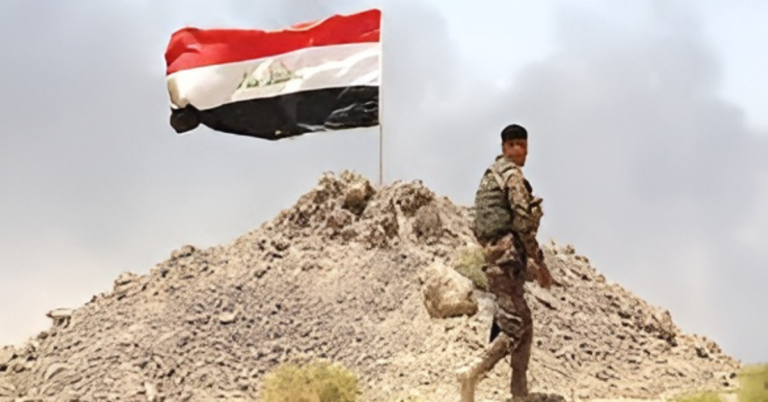
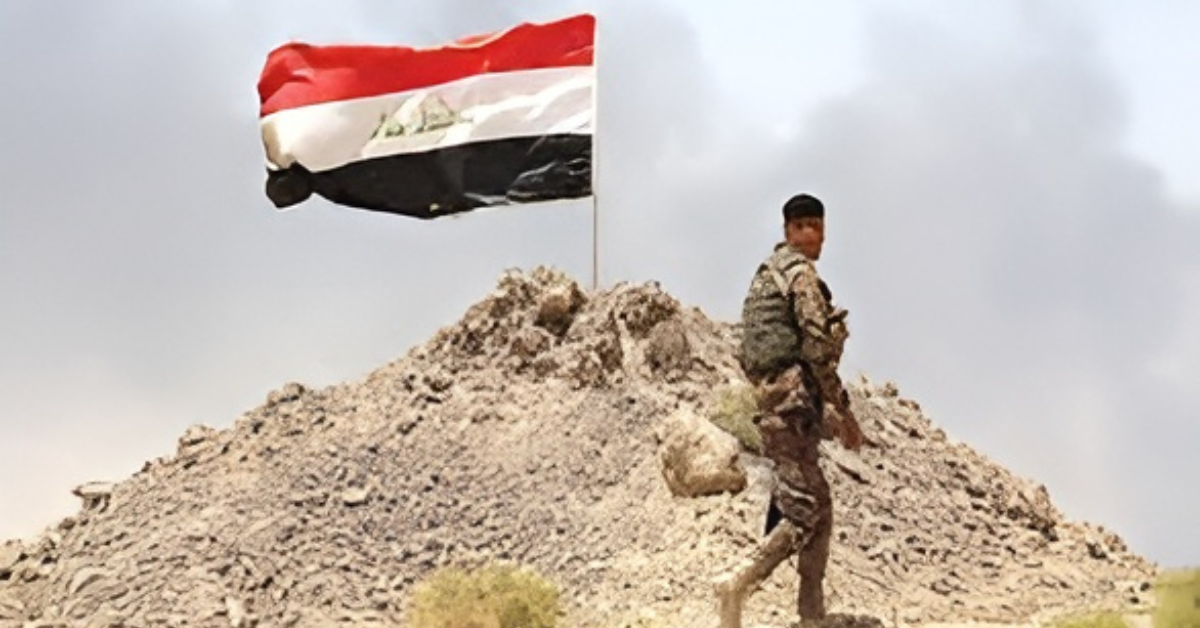
Iraq takes daesh militants
Introduction:-
The United States has expressed strong support for Iraq’s recent decision to take custody of Daesh militants detained in Syria. This move is seen as a critical step in strengthening regional security, ensuring accountability for terrorism, and preventing the resurgence of extremist activities in both Iraq and Syria.
For years, the presence of Daesh fighters in Syria has posed a persistent threat not only to local communities but also to neighboring Iraq. Many of these militants are Iraqi nationals or have historical ties to insurgent networks across the border. By taking these individuals into Iraqi custody, Baghdad aims to reinforce national security, while also cooperating with international partners to prevent the militants from reorganizing.
Why This Step Matters
The transfer of Daesh fighters from Syria to Iraq is significant for several reasons:
Preventing Re-emergence: Moving these militants into Iraqi custody reduces the risk of them returning to Syria or joining other extremist groups in the region.
Strengthening Accountability: Iraq’s legal system can prosecute these individuals, ensuring justice for victims of terrorism.
Regional Security Cooperation: This move demonstrates Iraq’s commitment to working with the US and other international allies to combat terrorism effectively.
By consolidating custody in Iraq, the risk of fragmented detention and potential escapes from under-resourced Syrian facilities is minimized. This step also sends a strong message that extremist networks cannot evade justice simply by crossing borders.
Cross-Border Security Cooperation
The transfer of Daesh militants from Syria to Iraq highlights the importance of cross-border security cooperation. Both countries share a long and porous border, which has historically allowed extremist networks to operate freely.
By coordinating the transfer process, Iraq and Syria, with US support, can strengthen surveillance, intelligence-sharing, and border security measures. This cooperation not only ensures safe detention of militants but also prevents potential infiltration back into either country.
partners, including neighboring nations and international organizations, are closely observing these efforts, recognizing that collaboration between borders is essential to disrupting terrorist operations and protecting civilians.
Monitoring and Rehabilitation Programs
Beyond detention, Iraq is exploring rehabilitation programs for captured Daesh militants to reduce the risk of future radicalization.
These programs focus on education, psychological counseling, and vocational training, particularly for younger or coerced fighters.
By combining security measures with rehabilitation, Iraq aims to reintegrate low-risk individuals into society responsibly, while keeping high-risk extremists securely detained.
Effective monitoring and rehabilitation programs not only promote long-term stability but also demonstrate Iraq’s commitment to humane, international-standard counterterrorism practices, making it a model for handling captured militants in the region.
Role of Intelligence in Counterterrorism
Intelligence gathering plays a crucial role in Iraq’s management of Daesh militants. Detailed information about extremist networks, operational strategies, and financial channels can be obtained from detainees to prevent future attacks. Coordinated intelligence efforts with the US and regional partners enhance Iraq’s capacity to act proactively rather than reactively.
By systematically analyzing the information provided by captured militants, authorities can dismantle sleeper cells, track recruitment channels, and strengthen regional counterterrorism frameworks. Strong intelligence is the backbone of preventing resurgences and ensuring that these transfers lead to lasting security benefits.
Global Implications of Iraq’s Initiative
Iraq’s decision to take custody of Daesh militants has implications beyond the region. It signals to the international community that countries affected by terrorism are taking responsibility for prosecuting extremists.
This step encourages other nations to adopt coordinated approaches for handling foreign fighters and demonstrates that shared responsibility is essential in combating global terrorism.
Moreover, it strengthens partnerships between Iraq, the US, and other allies, providing a framework for intelligence-sharing, training, and legal collaboration. The initiative could influence policies in other regions dealing with the aftermath of extremist activity, reinforcing global counterterrorism norms.
US Support and Strategic Significance
The US has welcomed Iraq’s initiative, framing it as a positive development for both Iraqi stability and regional counterterrorism efforts. American officials emphasize that collaboration between Baghdad and Washington is vital to dismantling extremist networks that continue to threaten Middle East security.
Strategically, the US support helps Iraq strengthen its legal and security framework, providing guidance on intelligence-sharing, detention protocols, and rehabilitation programs for captured militants. Such cooperation is essential to ensure that the handling of Daesh detainees aligns with international standards and does not contribute to further radicalization.
Challenges Ahead
While the initiative is widely supported, several challenges remain:
Security Risks: The transfer of high-profile militants carries inherent security risks during transport and detention. Iraq must maintain rigorous security measures to prevent escapes or attacks.
Legal and Judicial Preparedness: Iraq’s courts and prison systems need to be equipped to handle complex terrorism cases efficiently and transparently.
Regional Dynamics: Coordination with Syria and other neighboring countries is crucial to prevent disputes or delays in transferring prisoners.
Despite these hurdles, the step is a major milestone in ensuring that Daesh fighters are systematically dealt with, reducing the overall threat in the region.
Iraq’s Legal Framework for Handling Militants
Iraq has been strengthening its legal framework to ensure that Daesh militants are prosecuted fairly and effectively. The government has established specialized courts to handle terrorism cases, providing trained judges and legal teams familiar with extremist networks.
These courts aim to balance national security concerns with adherence to legal standards, ensuring that justice is served without violating human rights.
By strengthening its judicial system, Iraq demonstrates its commitment to accountability while preventing potential miscarriages of justice that could fuel further radicalization. This legal preparedness is crucial for maintaining both domestic and international confidence in Iraq’s counterterrorism efforts.
Humanitarian Considerations in Detention
While focusing on security, Iraq also emphasizes humanitarian treatment for detained Daesh militants. Prison conditions, access to medical care, and programs aimed at preventing radicalization are being considered to ensure humane treatment.
International observers have encouraged Iraq to follow global standards for detention, including separation of high-risk fighters and provision of rehabilitation programs.
By addressing humanitarian concerns, Iraq aims to reduce tensions within prisons, prevent unrest, and promote the potential for de-radicalization. These measures also enhance Iraq’s credibility with international partners like the US, demonstrating that counterterrorism efforts can be both effective and ethically responsible.
Impact on Counterterrorism Efforts
This move strengthens the broader international fight against terrorism. By consolidating these detainees under Iraq’s authority, intelligence agencies can gather vital information regarding Daesh operations, networks, and future threats. This knowledge can be shared with allies to enhance security measures across the Middle East and beyond.
Furthermore, it demonstrates a clear commitment by Iraq to combat extremism within its borders, encouraging other nations to support regional counterterrorism strategies. The move could also serve as a model for handling similar cases in the future, balancing security with justice.
International Reactions
The global community, including NATO allies and Middle Eastern partners, has expressed cautious optimism about Iraq’s initiative. Many countries have long advocated for coordinated approaches to dealing with captured Daesh fighters, emphasizing that proper detention and prosecution are essential to prevent the resurgence of terrorism.
The US, in particular, has highlighted that its continued support and partnership with Iraq are key to ensuring that extremist threats are neutralized effectively, without destabilizing regional dynamics.
Looking Forward
Moving Daesh militants from Syria to Iraq marks a significant step in counterterrorism collaboration. While challenges remain, the coordinated approach between Iraq and the US, along with other allies, lays the groundwork for stronger regional security and justice.
As Iraq assumes responsibility for these fighters, it underscores the importance of national ownership in combating terrorism while benefiting from international support and expertise. Ultimately, this initiative could help prevent future extremist attacks and stabilize the broader region, contributing to a safer Middle East.
Conclusion
The US welcome of Iraq’s decision to take Daesh militants from Syria reflects shared interests in regional security and counterterrorism. By consolidating custody, ensuring accountability, and cooperating internationally, Iraq demonstrates its commitment to tackling terrorism effectively. This move is a crucial step in dismantling extremist networks, safeguarding civilians, and promoting long-term stability in the Middle East.
FAQs
1. Why is Iraq taking custody of Daesh militants from Syria?
Iraq aims to prosecute these fighters, prevent their escape or rejoining extremist groups, and strengthen regional security.
2. How is the US supporting Iraq in this initiative?
The US is providing strategic guidance, intelligence-sharing, and logistical support to ensure safe detention and effective prosecution.
3. What challenges does Iraq face in this process?
Key challenges include securing transport, handling complex legal cases, and coordinating with regional partners.
4. How does this step affect regional security?
It reduces the risk of militant resurgence, strengthens counterterrorism efforts, and promotes international cooperation.
5. Could this initiative serve as a model for other countries?
Yes, it demonstrates a coordinated, justice-focused approach to handling captured extremists, potentially guiding other nations in similar situations.
About the Author